Every time when I hear people say, “ Your gear doesn’t matter. You don’t need any other cameras, the camera in your hand is the best camera…” but is it though, is it?
Hey guys, this is Sam, welcome back to another episode of “slapping myself in the face”…. I mean, not physically.
Gear doesn’t matter? I don’t agree. We all know a faster lens will give you more light, more separation from the background, like an 85 1.2 lens WILL give you a complete different look than a f4 lens under the same lighting and distance. A crop sensor camera will not be able to take the same photo with a medium format camera… If you tried a fair amount of different gear, you would not say, gear doesn’t matter.
So I always want to make a video to talk about how much I don’t agree with this!! So I wend out and did a photo shoot with my Canon 1V and my Pentax 67 to prove my point of “Gear DOSE matter!!” In this case, format dose matter.
Before I make the jump from 35mm, to medium format, and from 645 to 67, I always wondered, what’s the real differences between 35mm and medium or even large format… besides larger format just means more pixels. If we don’t planning on enlarge the photo, if we only look at the photos on our phone, on social media. Would it really look different? What is the magic of medium format that makes medium format looks the way it looks… So with this experiment, I wish to find some answers.
SHOOT:
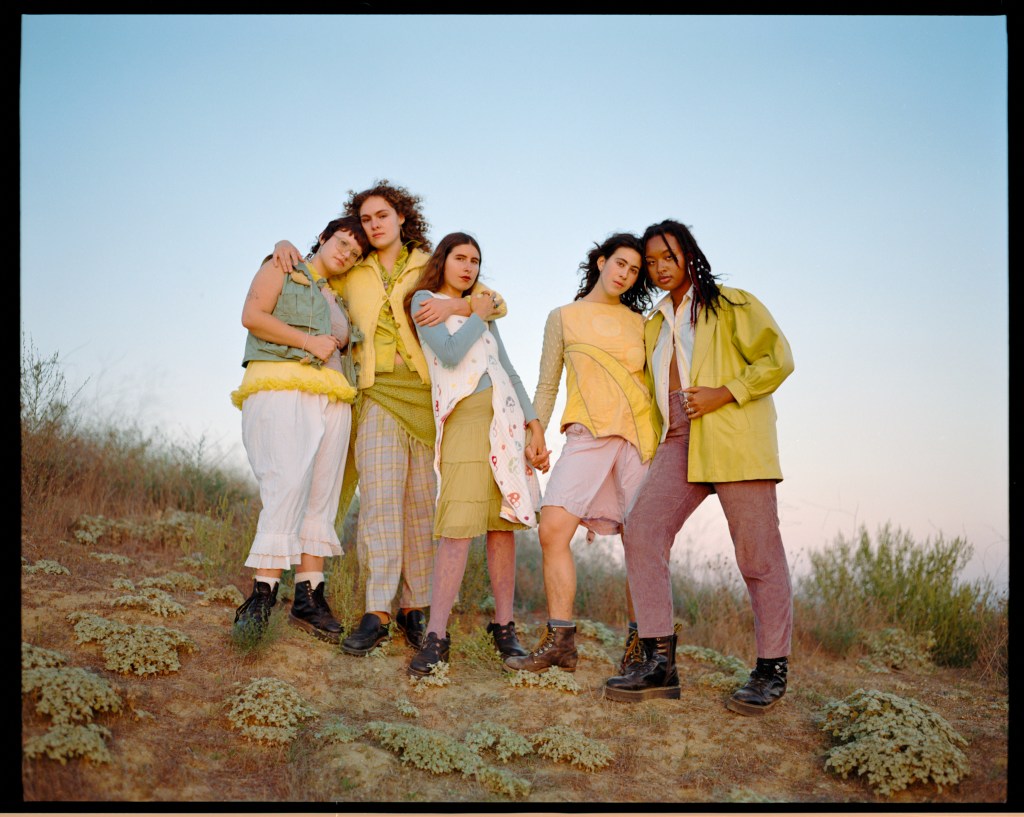
Most of time, I shoot one on one. This is my first time doing a group editorial type of portrait, thanks to my model Emily who helped putting all the outfit together for this shoot. It was kinda last minute, I didn’t have much time to scout out the location, so we just gonna figure out as we go.
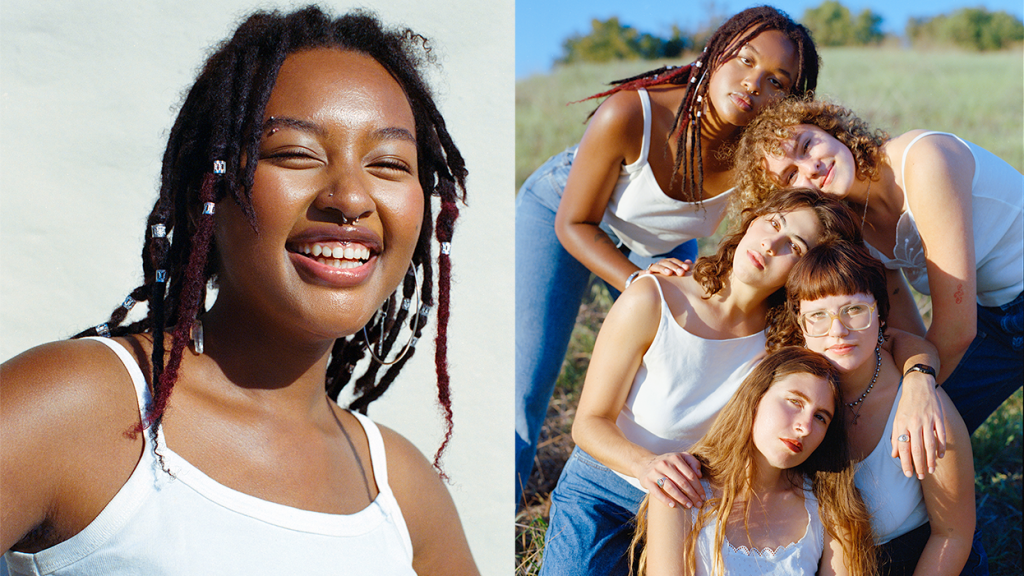
We planned for 2 looks, the first one I wanted everyone to have a clean white top with jeans. We started from single shots. I brought a small backdrop, we set up in the parking lot.
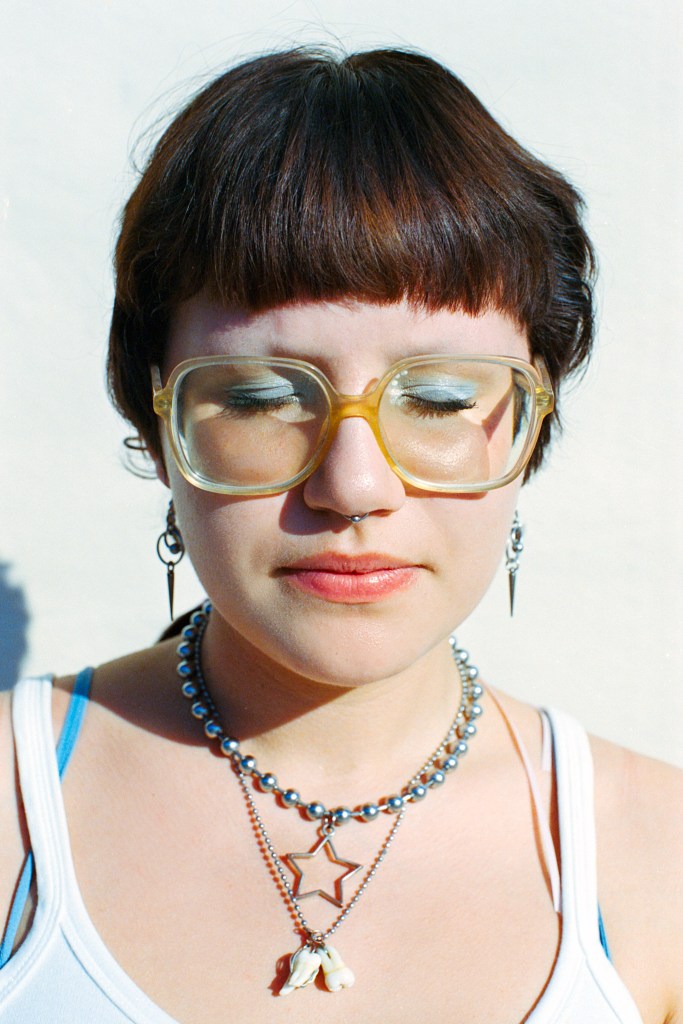
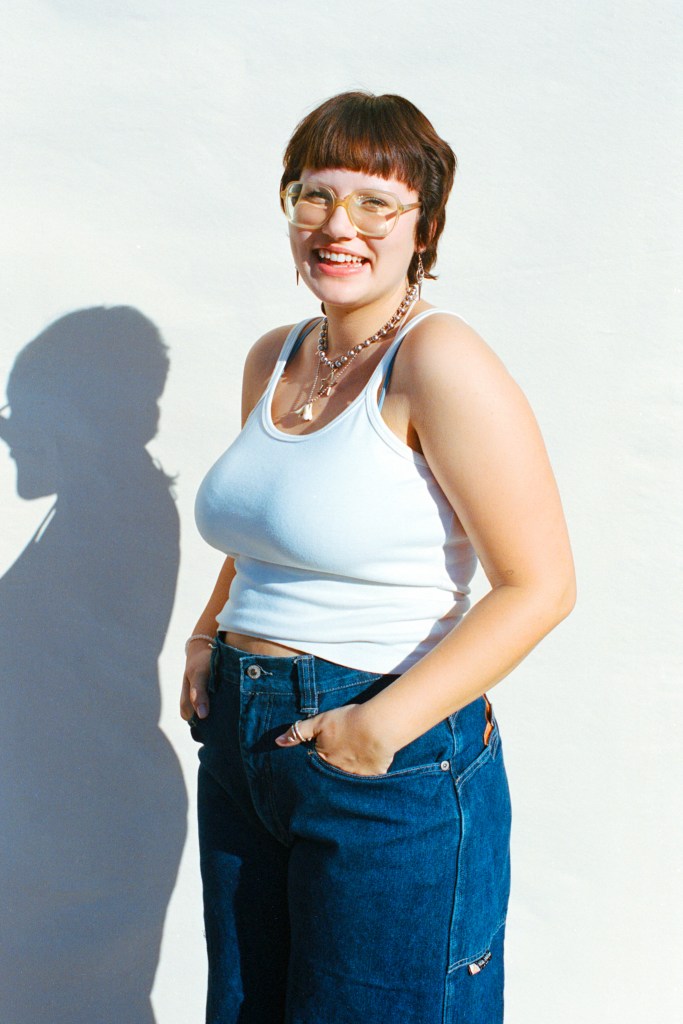
To do a fair comparison, I brought my best 35mm camera with the best lens I have, which is the Canon 1v with 50mm prime lens. What I love about modern lens is it’s minimum focal distance, with this 50mm lens I can get really close to the model, I only noticed this after I started shooting film, a lot of older film camera lens won’t let me get super close.
Knowing I have 36 shots, I feel like I’m more relaxed when shooting with 35mm, I tent to capture more movement, emotions, cause I can take multiple shots, I’m not as afraid to try different things. Plus the Canon 1V is very much automatic, it has auto focus, auto winding, the lens is so clear and sharp. I can focus on directing the models, and not have to worry much of the technical things.
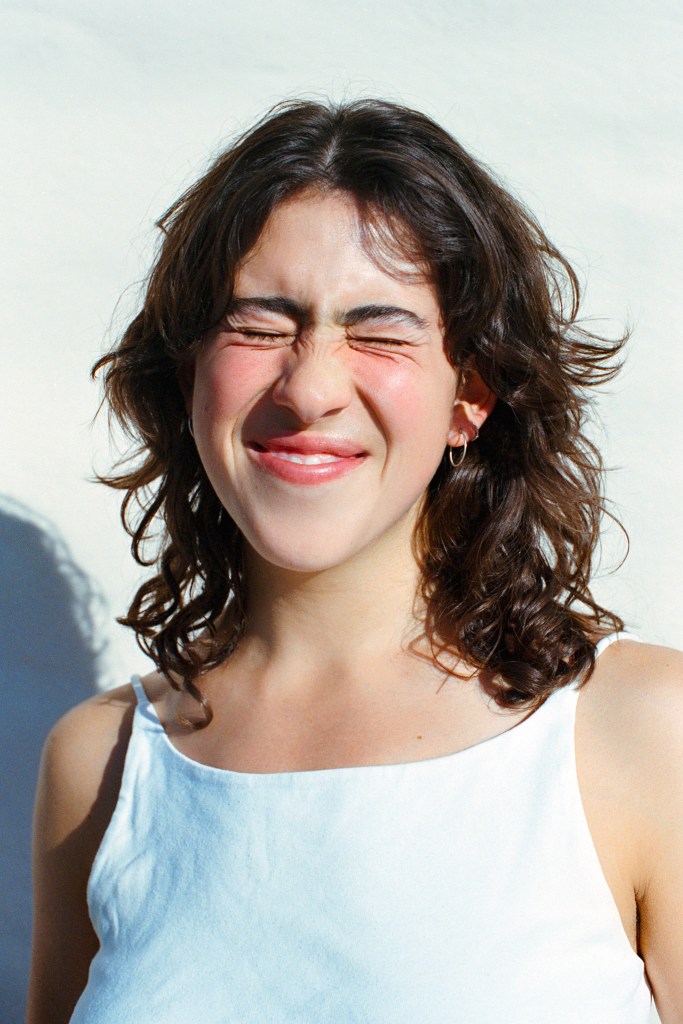
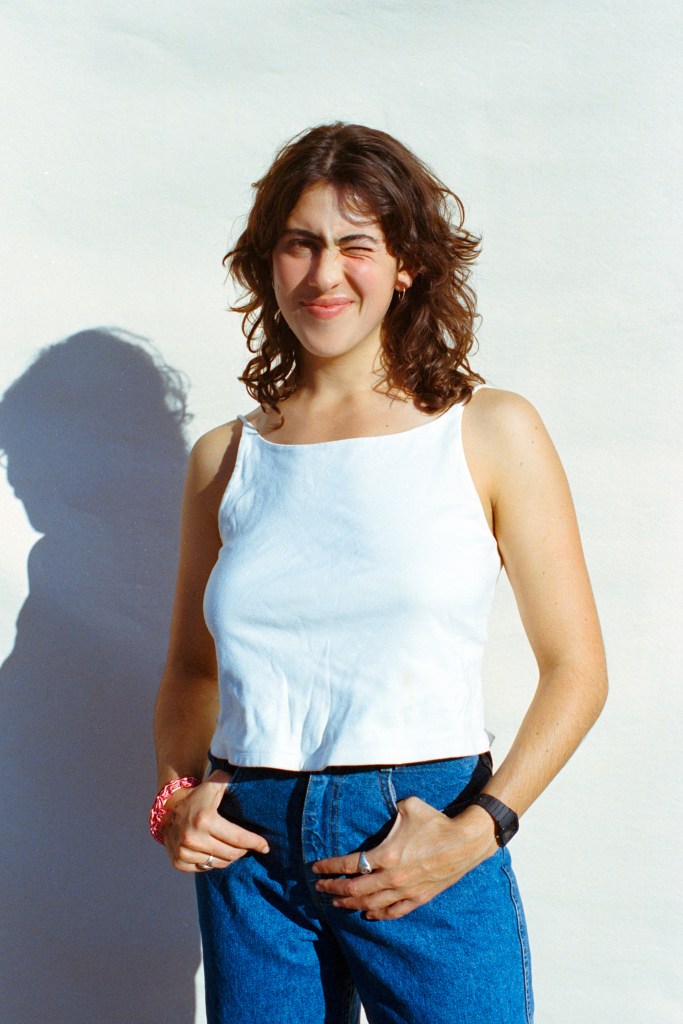
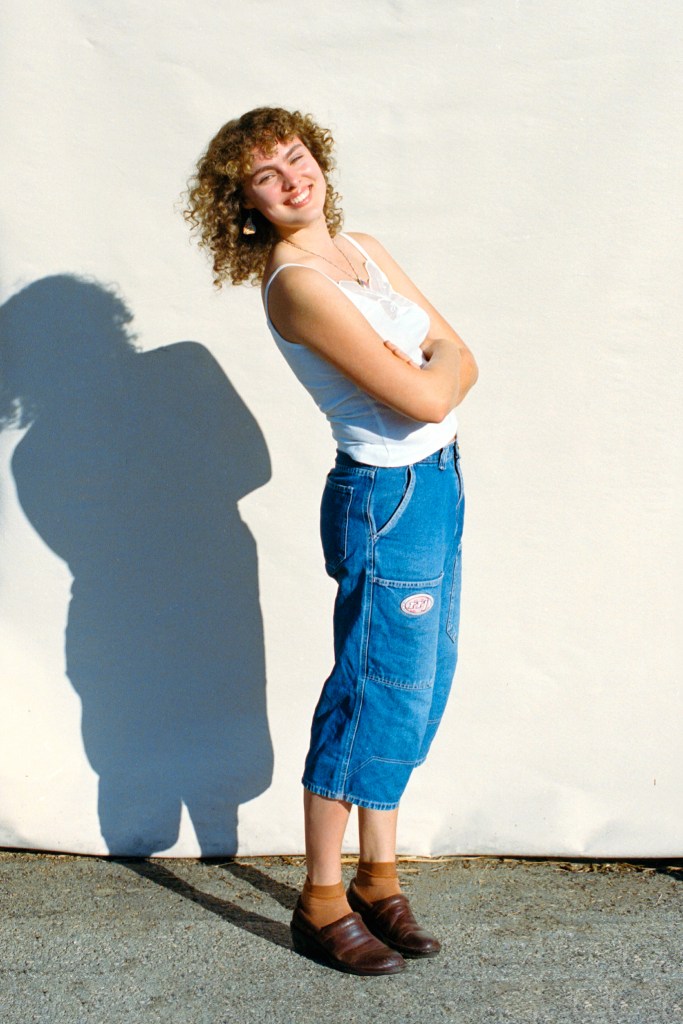

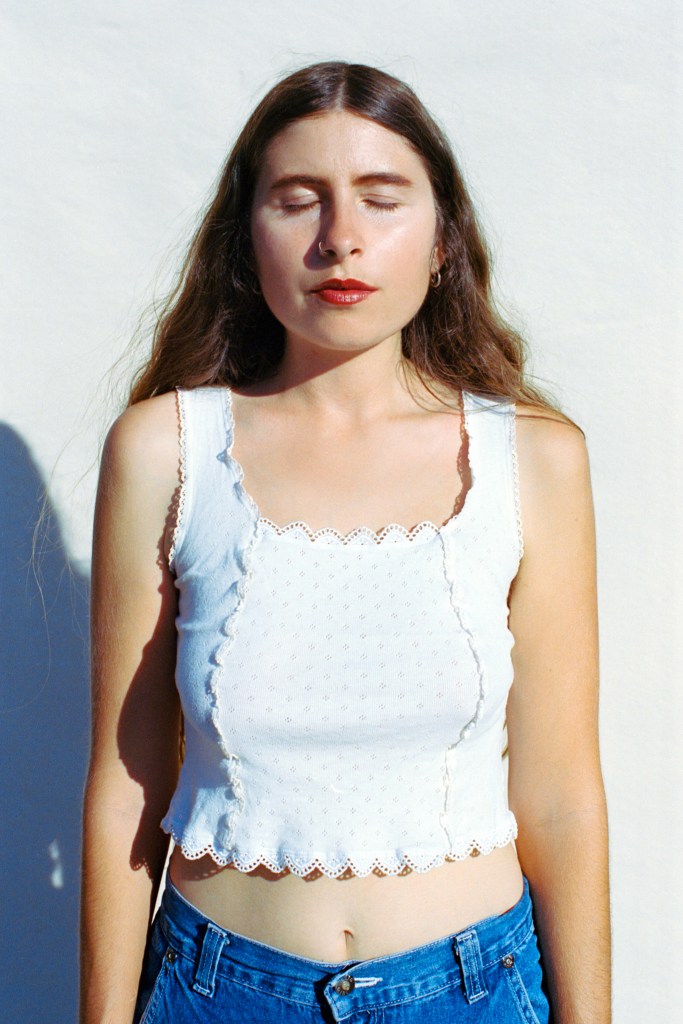
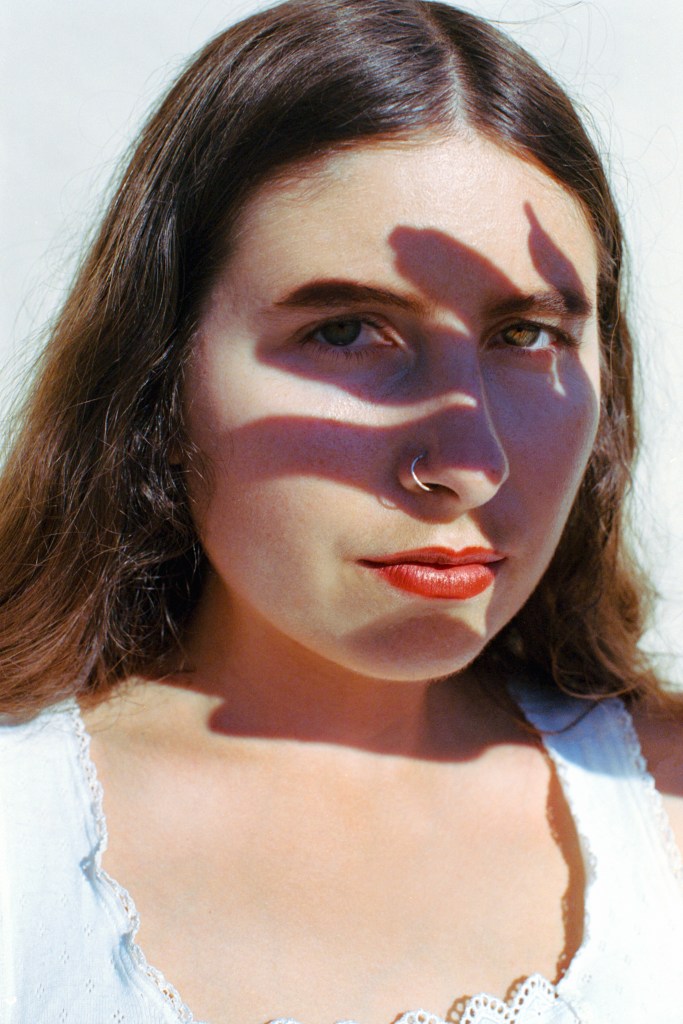
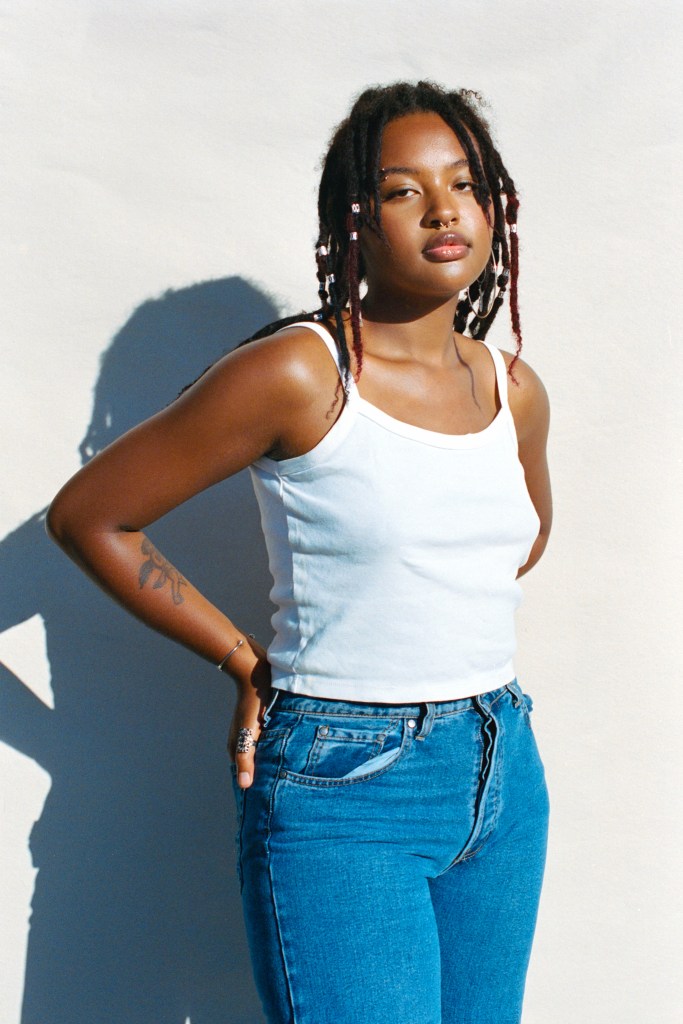
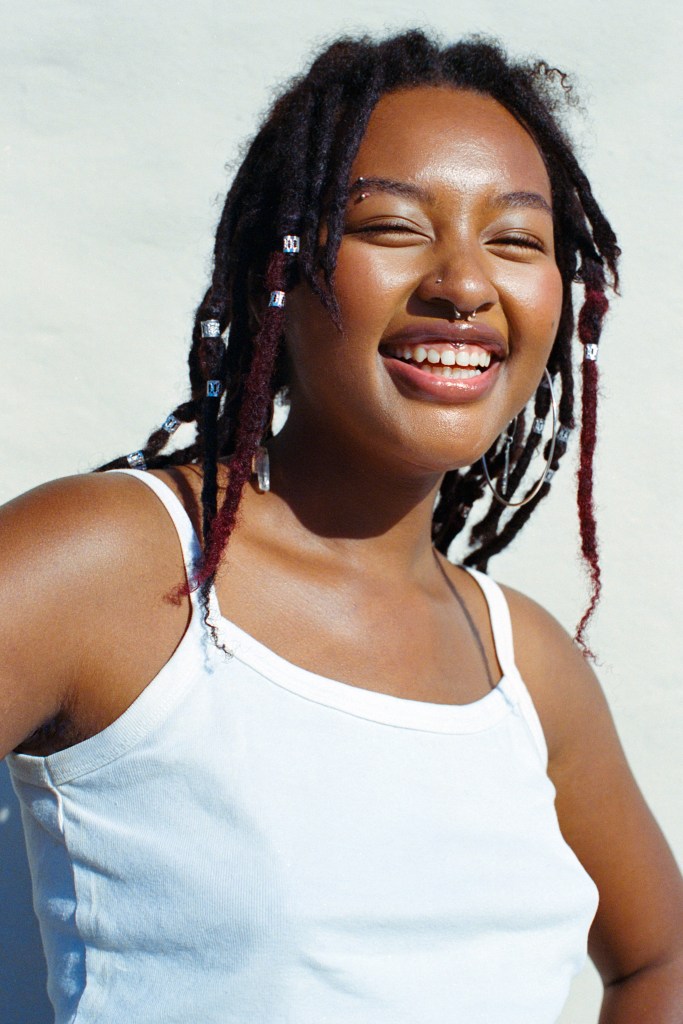
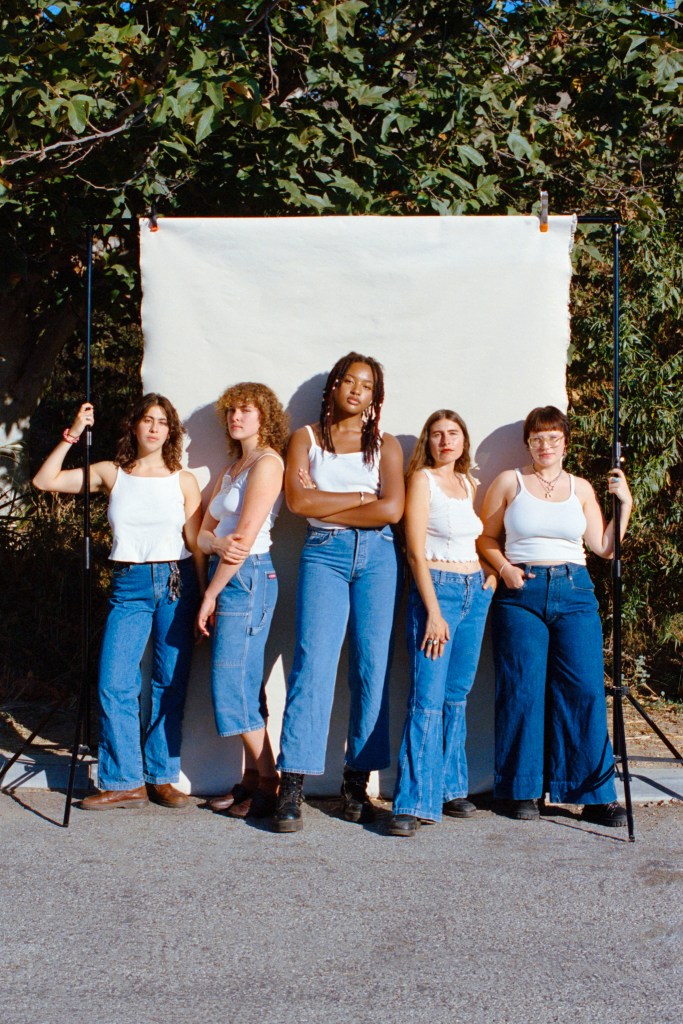
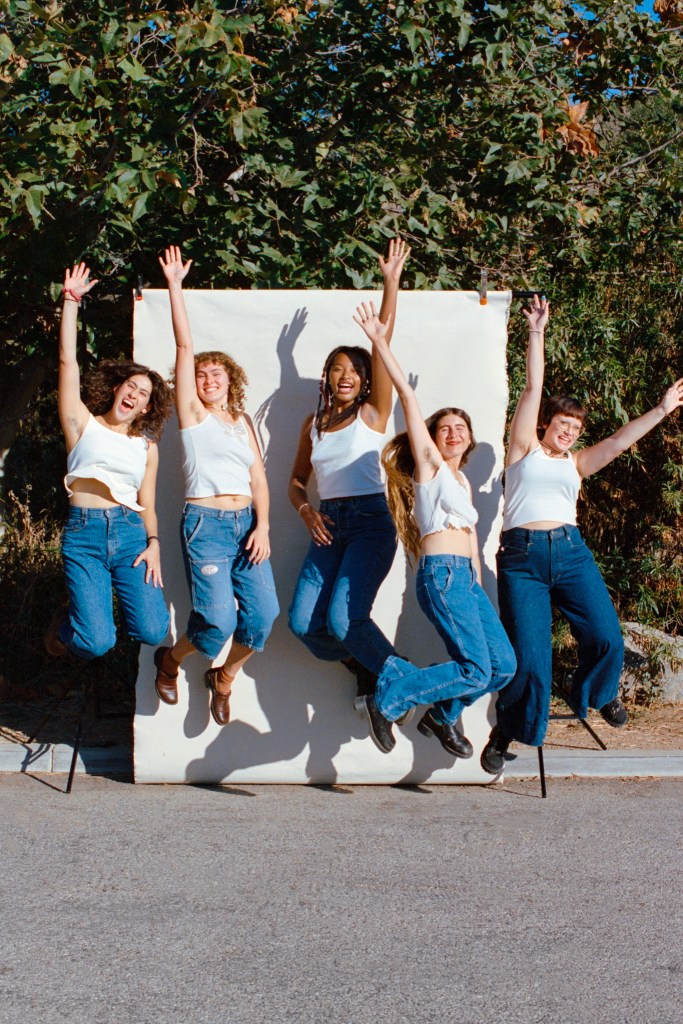

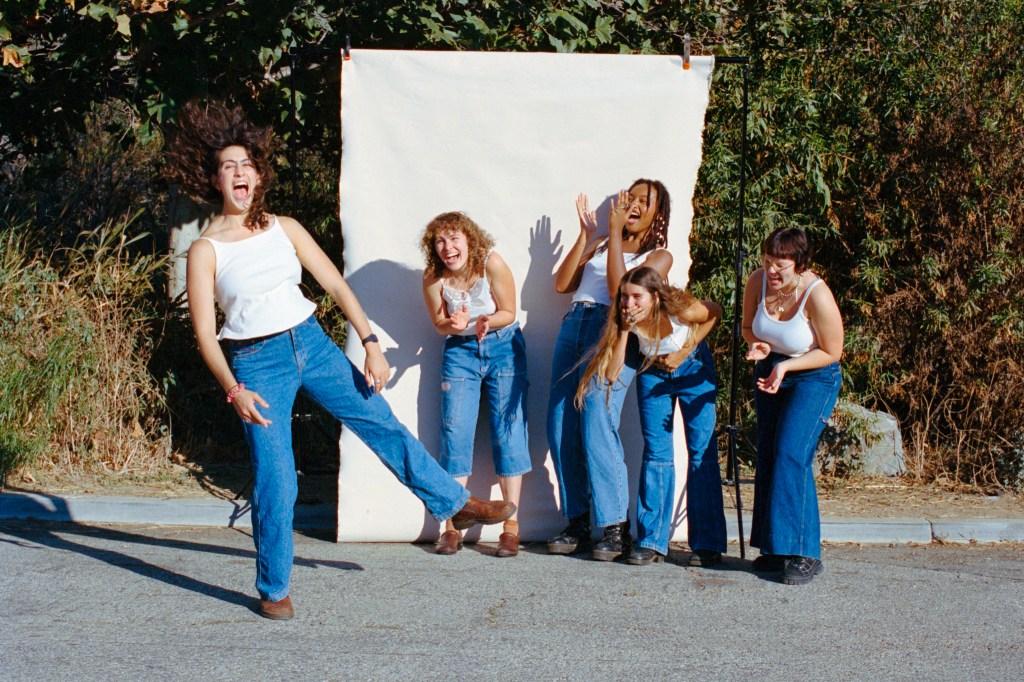

I really like how these photos turned out, out of 36 frames, I picked 14 shots. The rest of the photos didn’t get picked not because any technical problems like focus or exposure errors. So most of the photos are usable, it’s really just the matter of picking the better ones. To me, that alone makes this camera a very reliable working horse.
After I finished this one roll, my photographer friend who was there helping me filming behind the scene told me she never tried the Pentax 645, so I let her took some shots with my 645NII. The lens on my Pentax 645 is the 75mm 2.8, it focal range looks very similar with how 50mm looks on a 35mm camera. I think these couple of shots turned out really nicely.

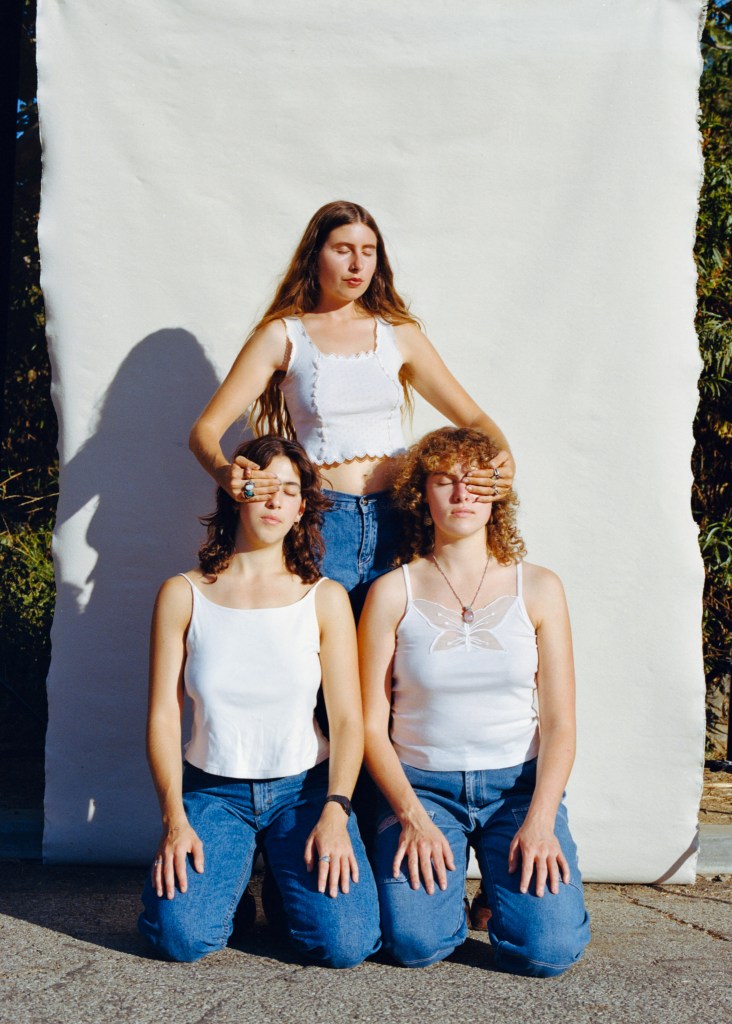
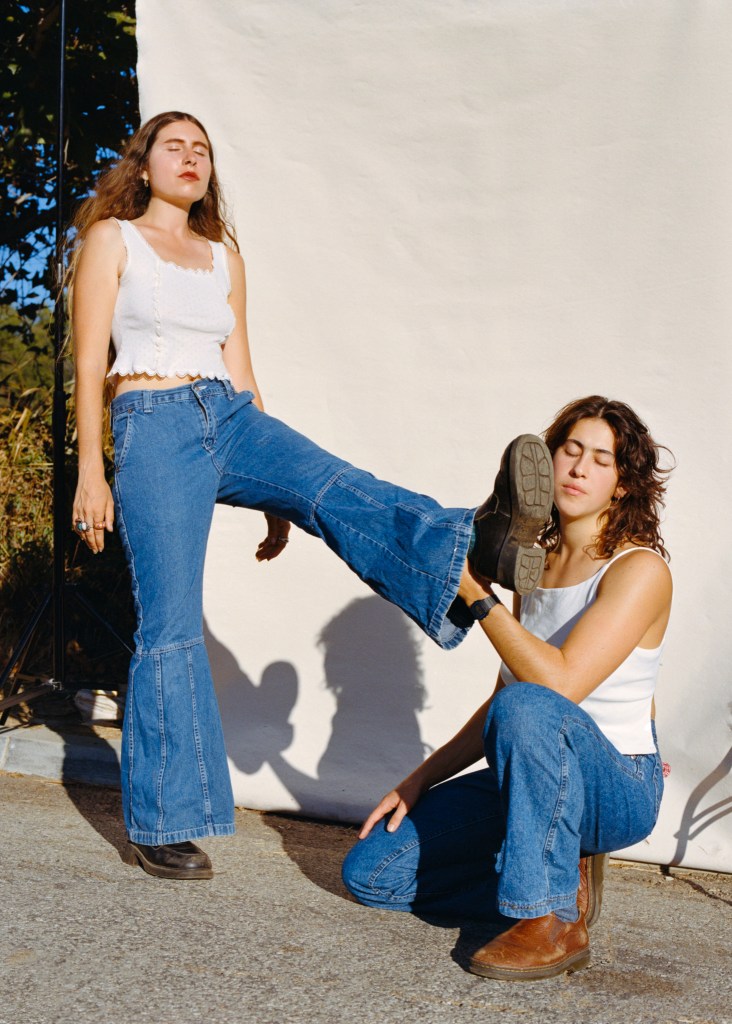
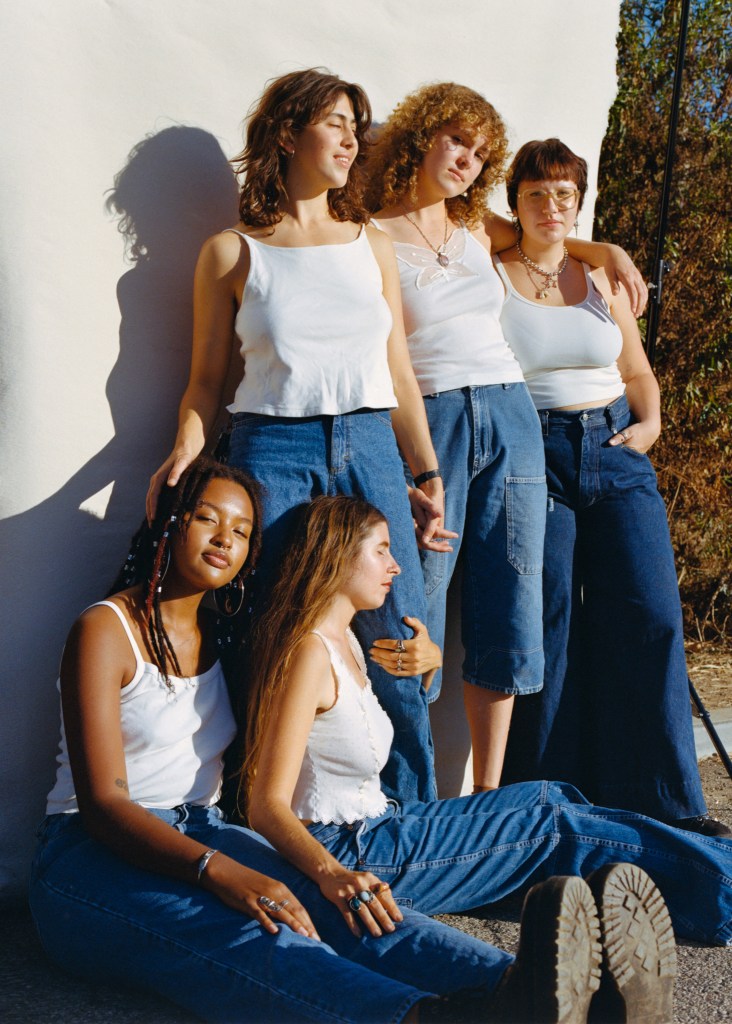

If we put the 645 shots next to the 35mm shots, can you tell the difference?
A roll of 35mm gives you 36 frames, the 645 only gives you 16 frames. Do you think it makes enough difference for you to make the jump from 35mm to 645? What about 67 then.
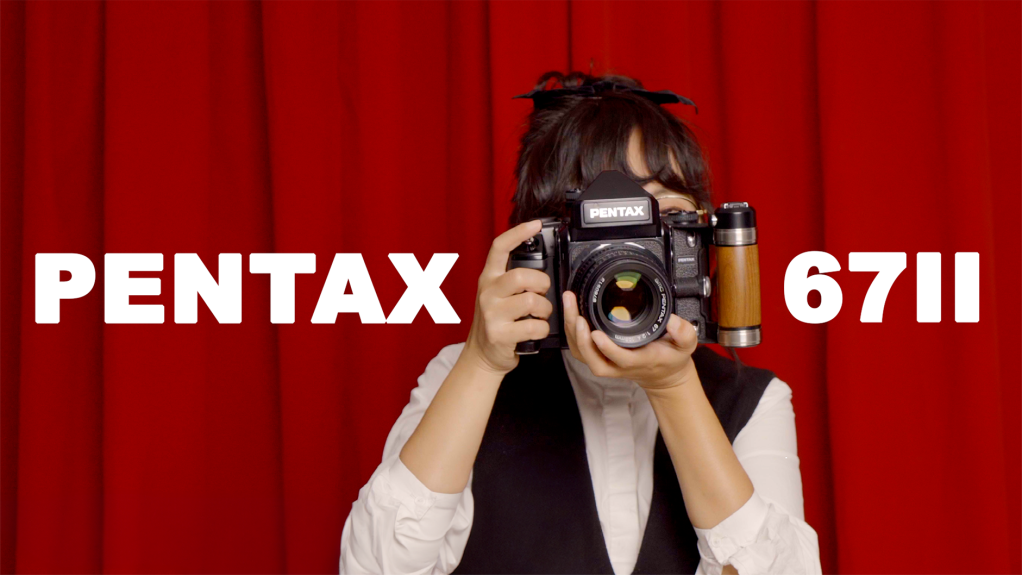
The Pentax 67 is one of the best 67 camera out there, and the lens I used for this shoot is the 105mm 2.4f lens, that also has a 35mm equivalent of 52mm focal distance. So technically it should produce a similar look with the 1V photos…?
One thing that’s tricky about shooting a group of people instead of one, is that you gotta calculated focus range more carefully to make sure everyone is in focus.
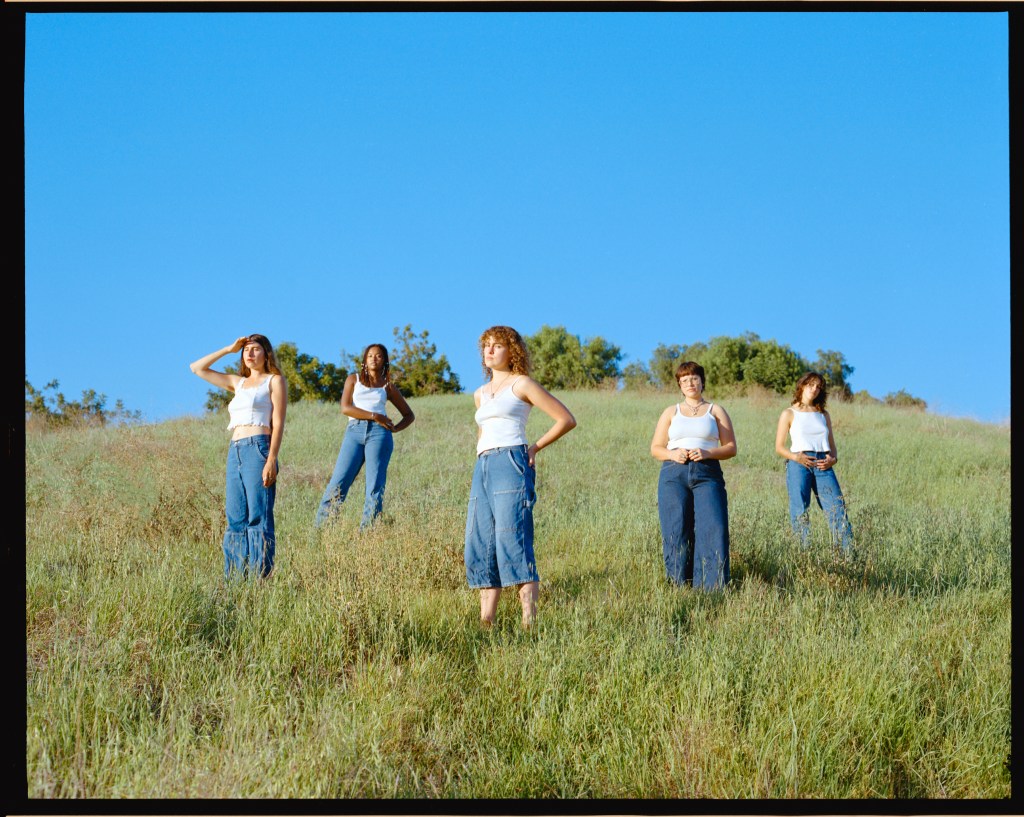
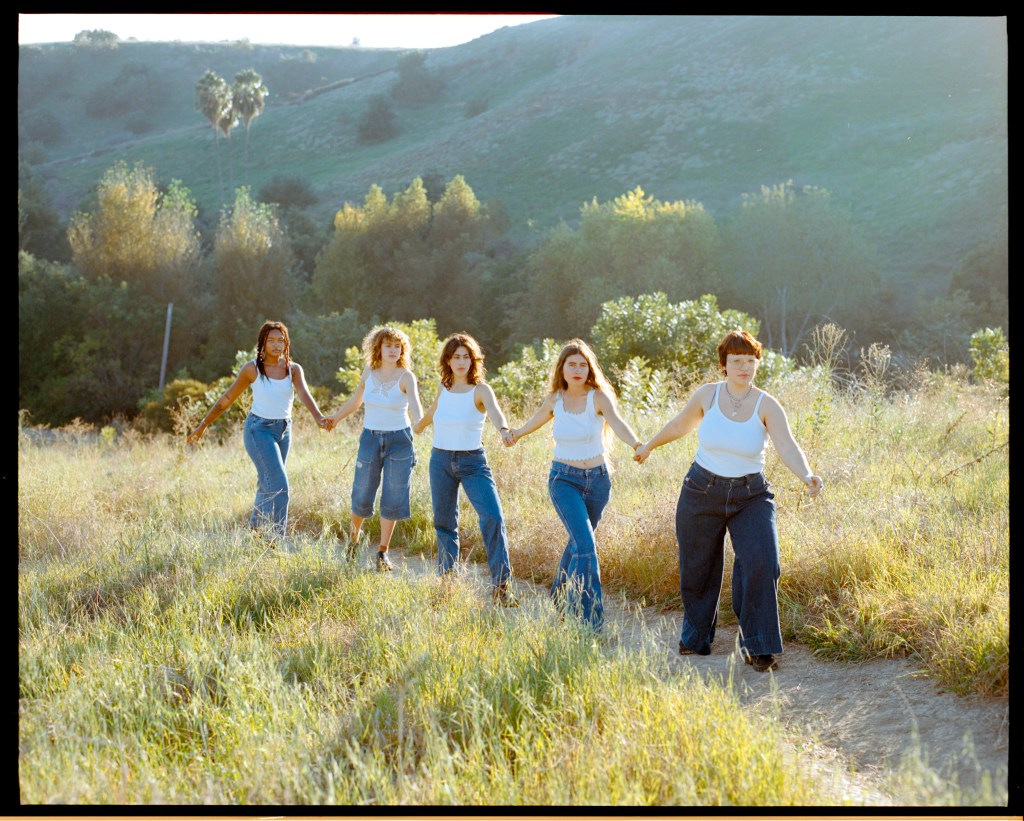
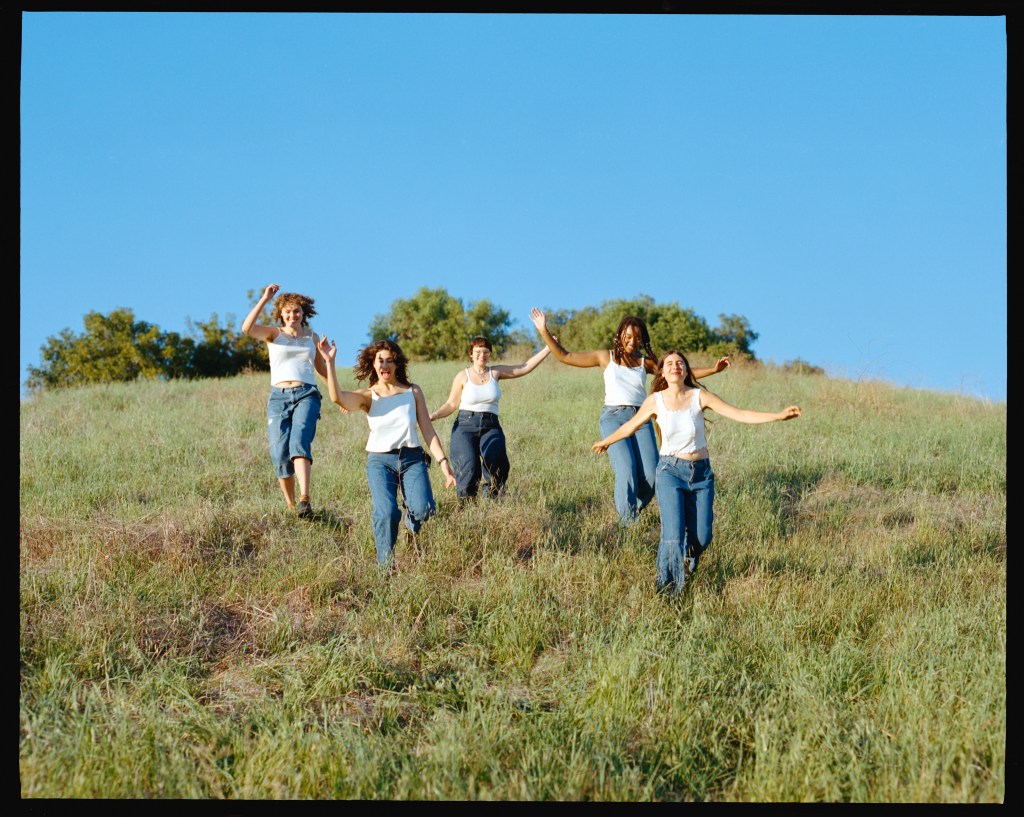
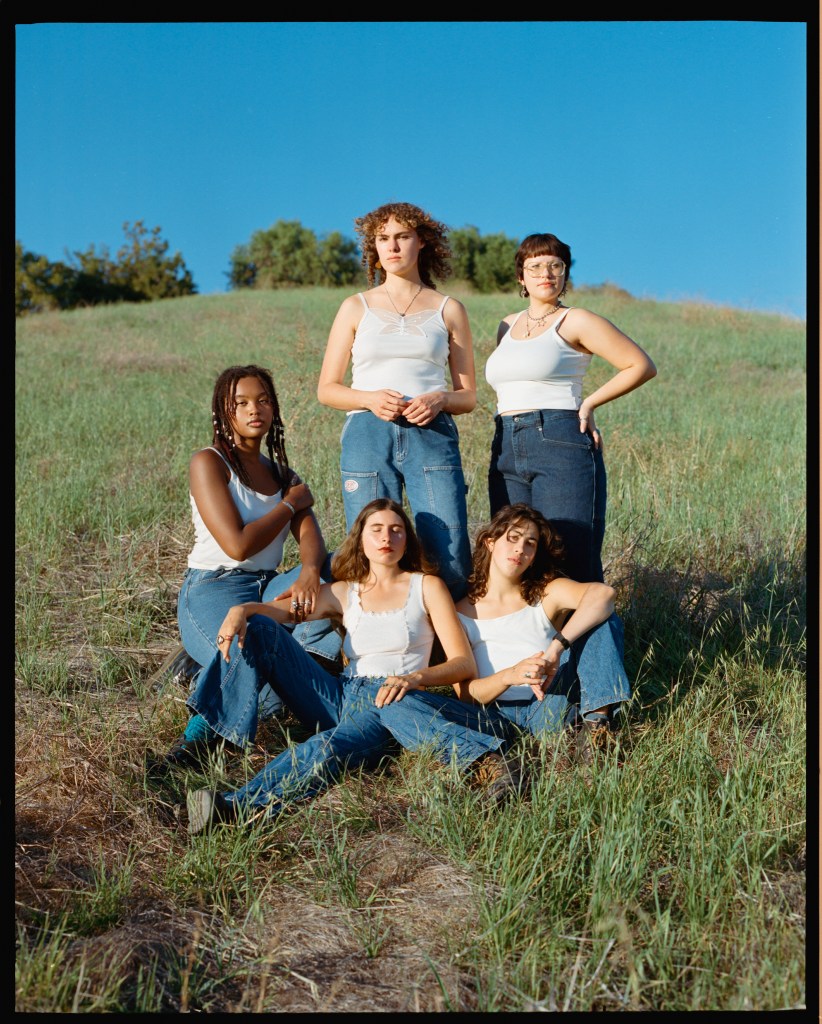
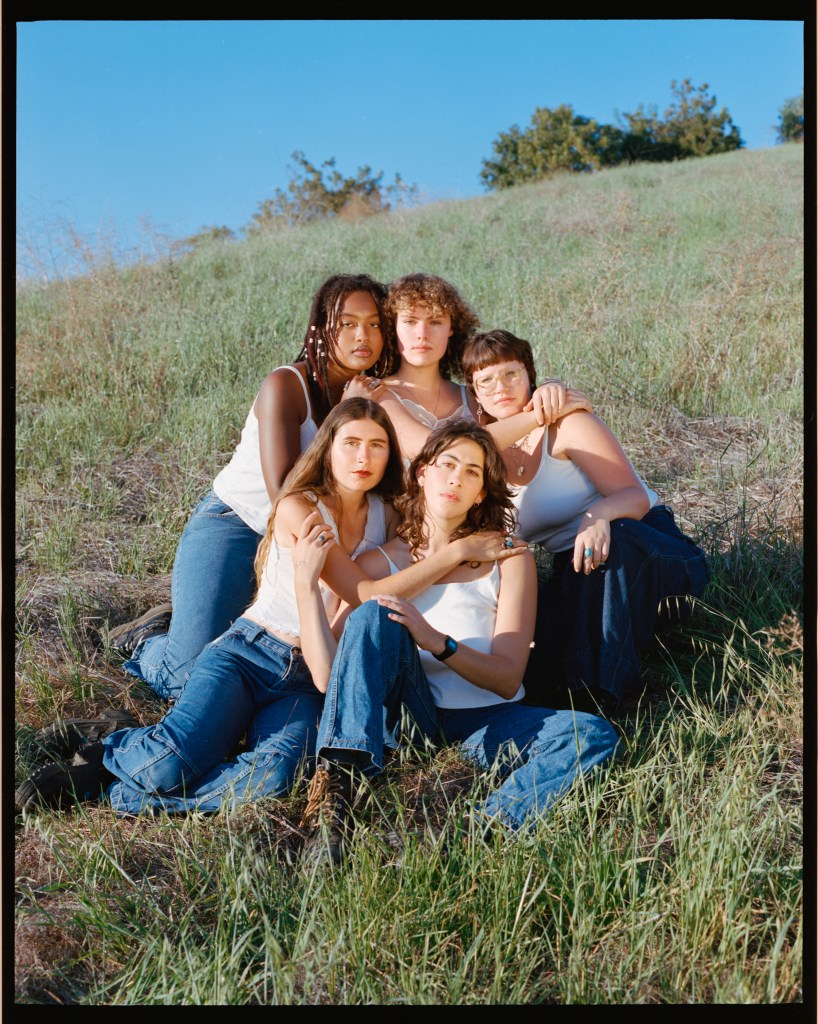
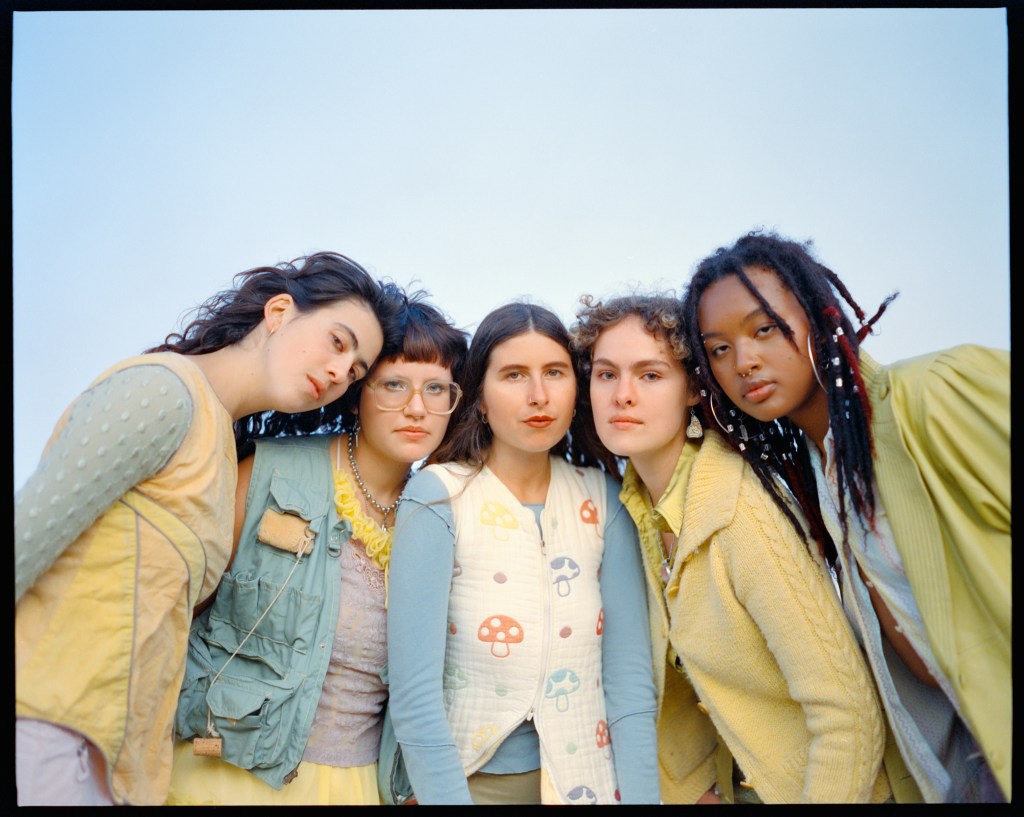
The photos turned out… alright I think. The location wasn’t quite what I had in mind, and posing a group of people is very different than posing just one person. I really like how the color turned out though, skin tone looks very nice. Since I only have 10 shots per roll, I felt much pressured, I didn’t feel like stack shots.
This one, I took two shots, but I still couldn’t get them in frame and in focus more… I wish the lens is a bit wider at this point.
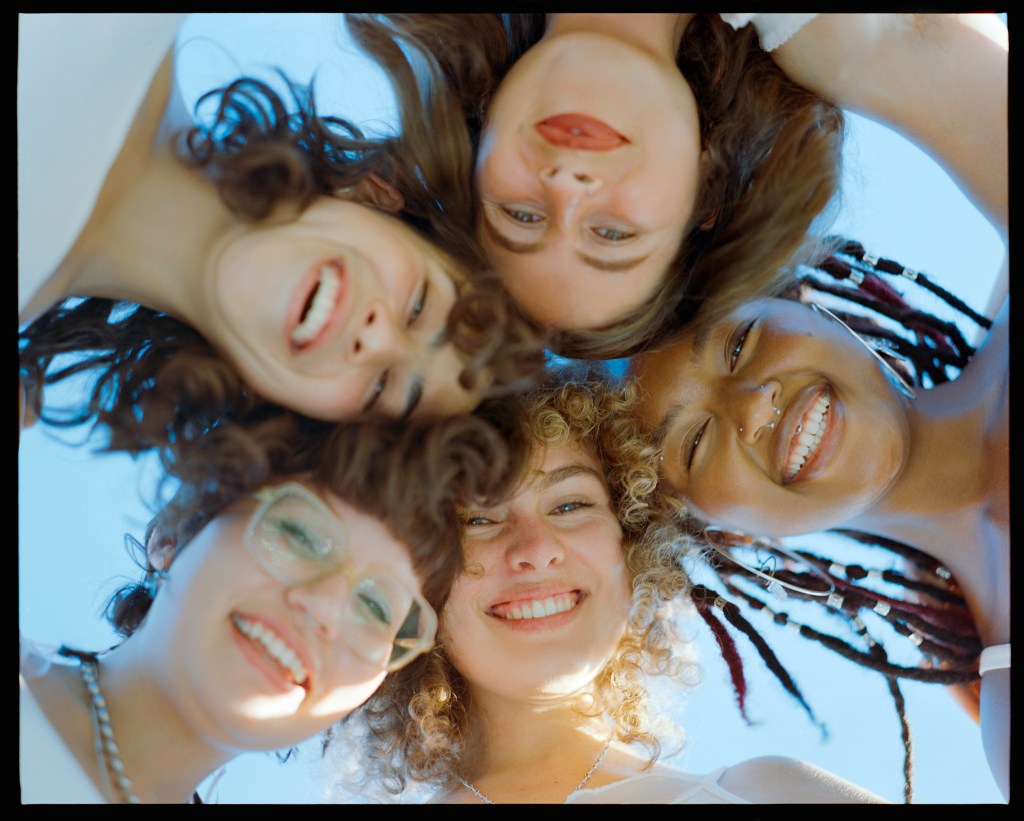
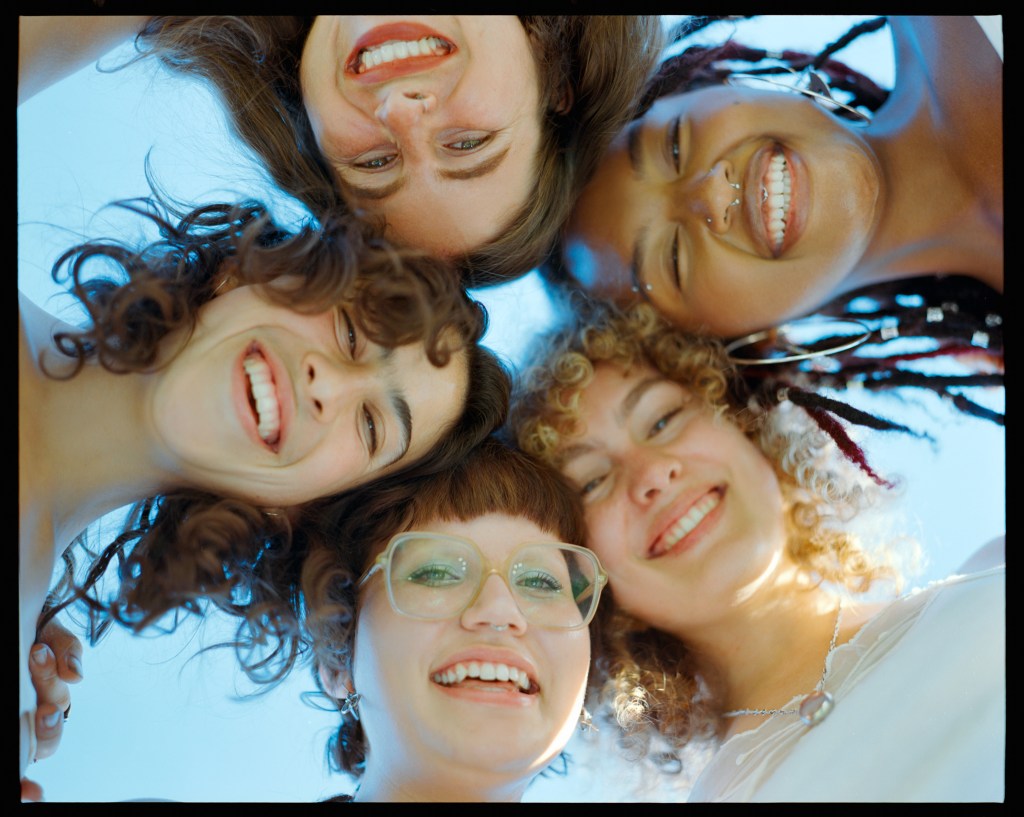
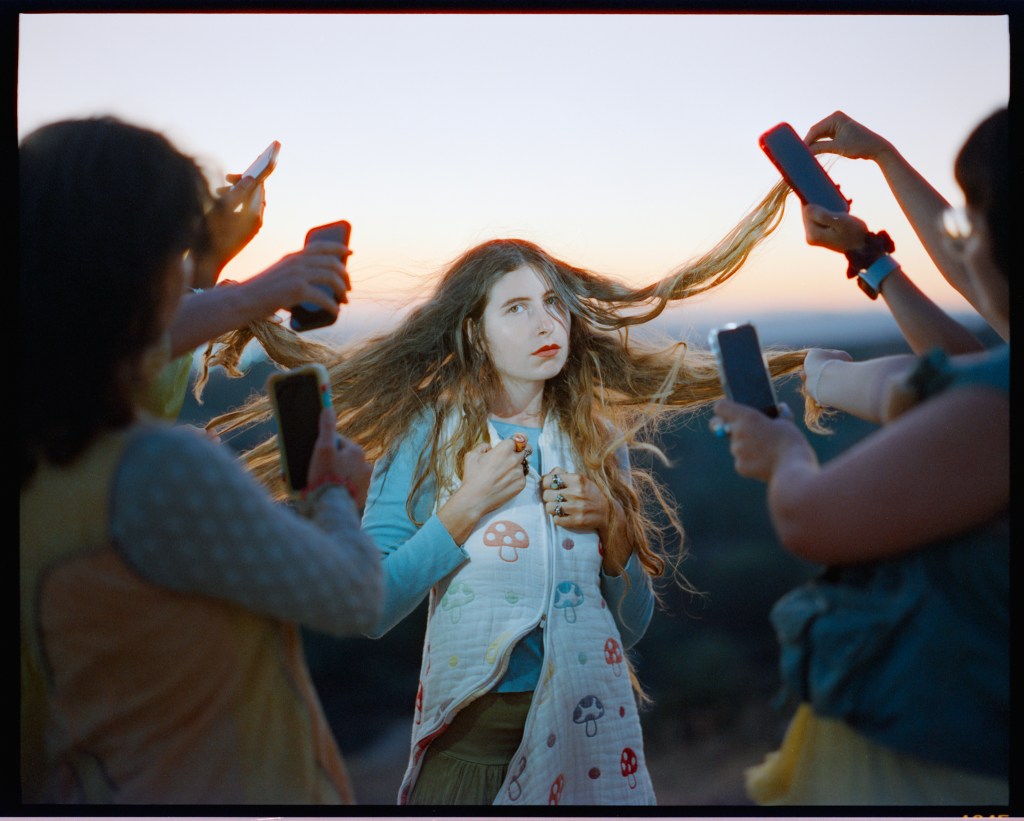
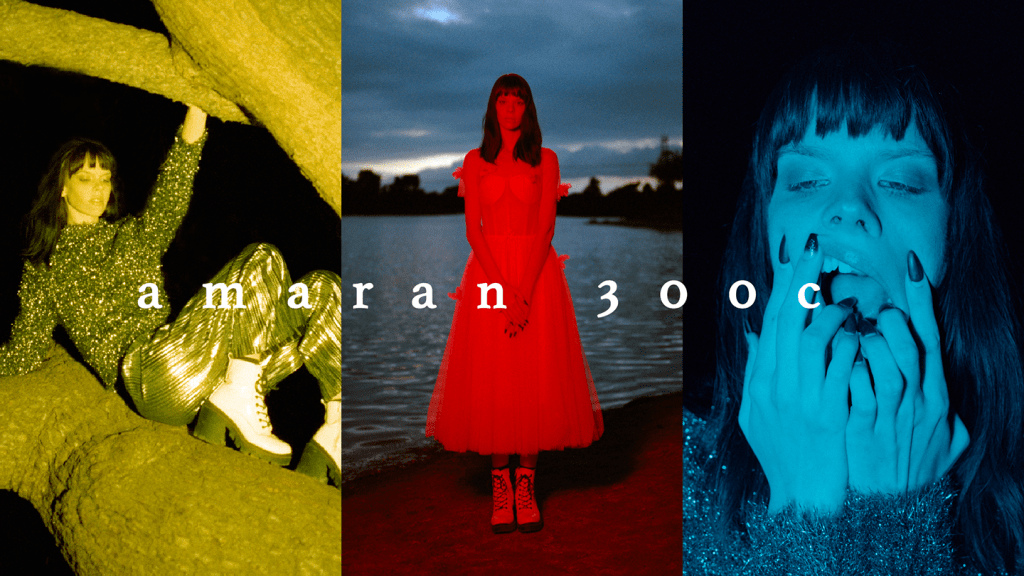
After we finished the 2nd roll, we still have quite a bit of sun light, I decided to load up a roll of Gold 200 for the 2nd look. We walked all the way up to the top of the hill, the golden sunset look extremely warm when we started shooting.
I tried to put a gold bounce on the other side of the model, tried to push it even more extreme with the golden color, I should have bring it to the front a little more, so it’s not as harsh on the side…
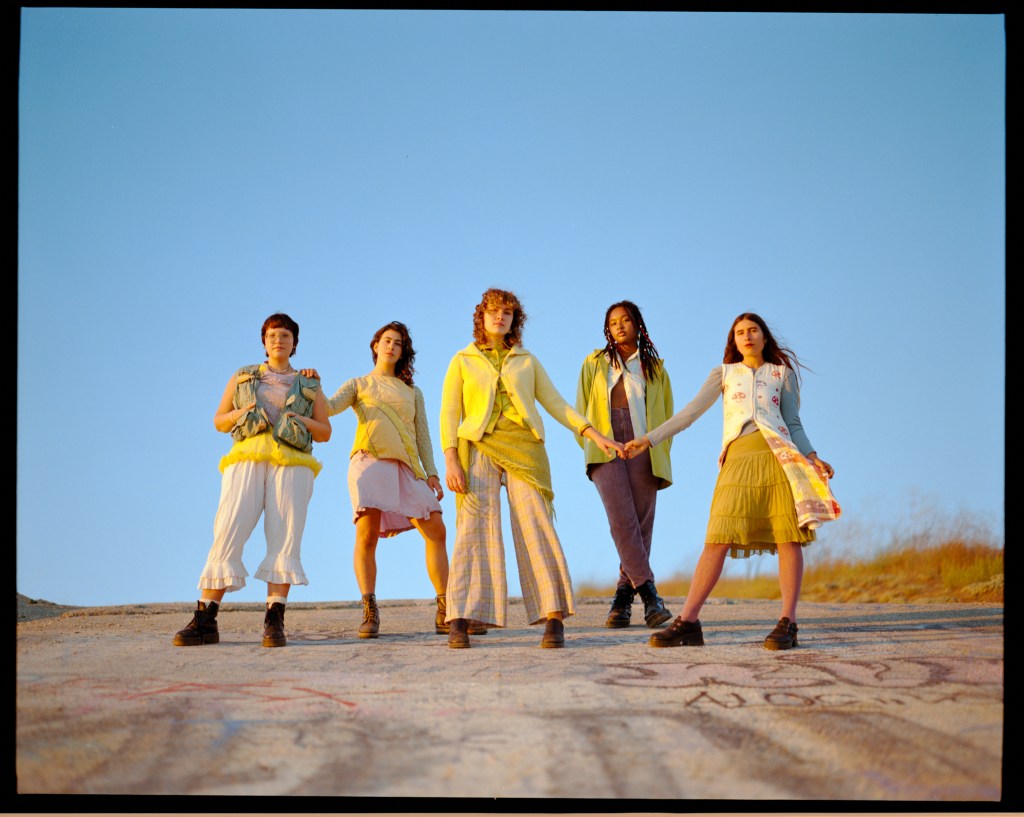
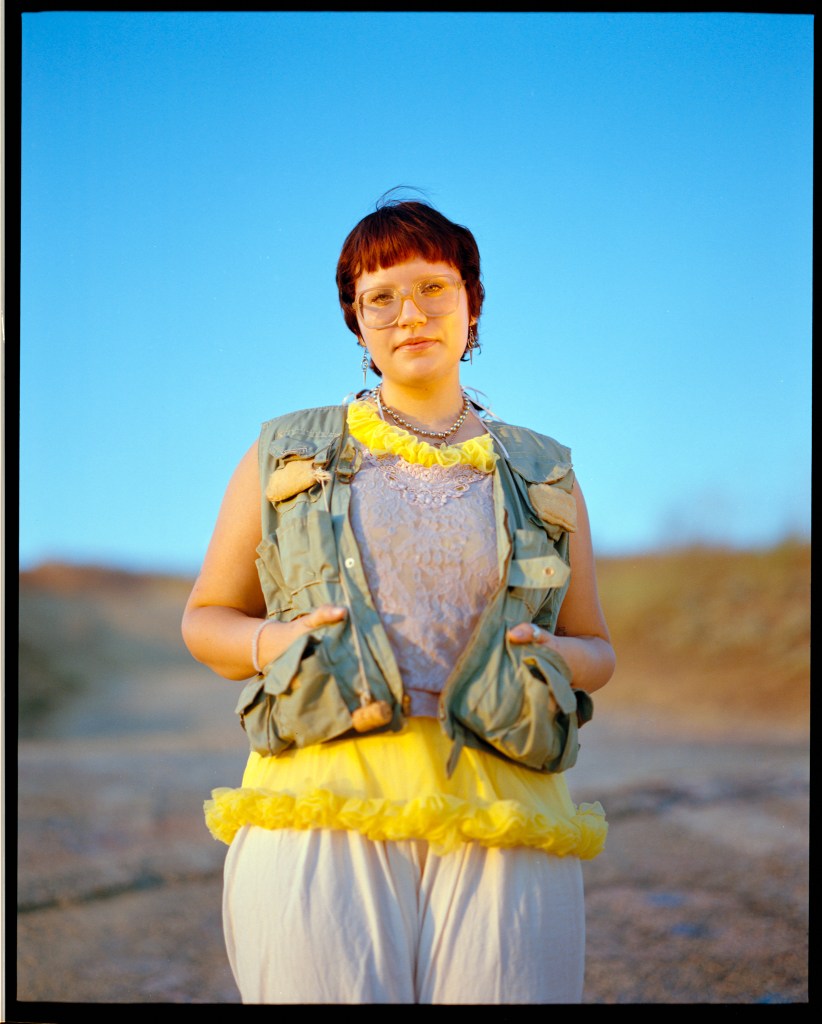



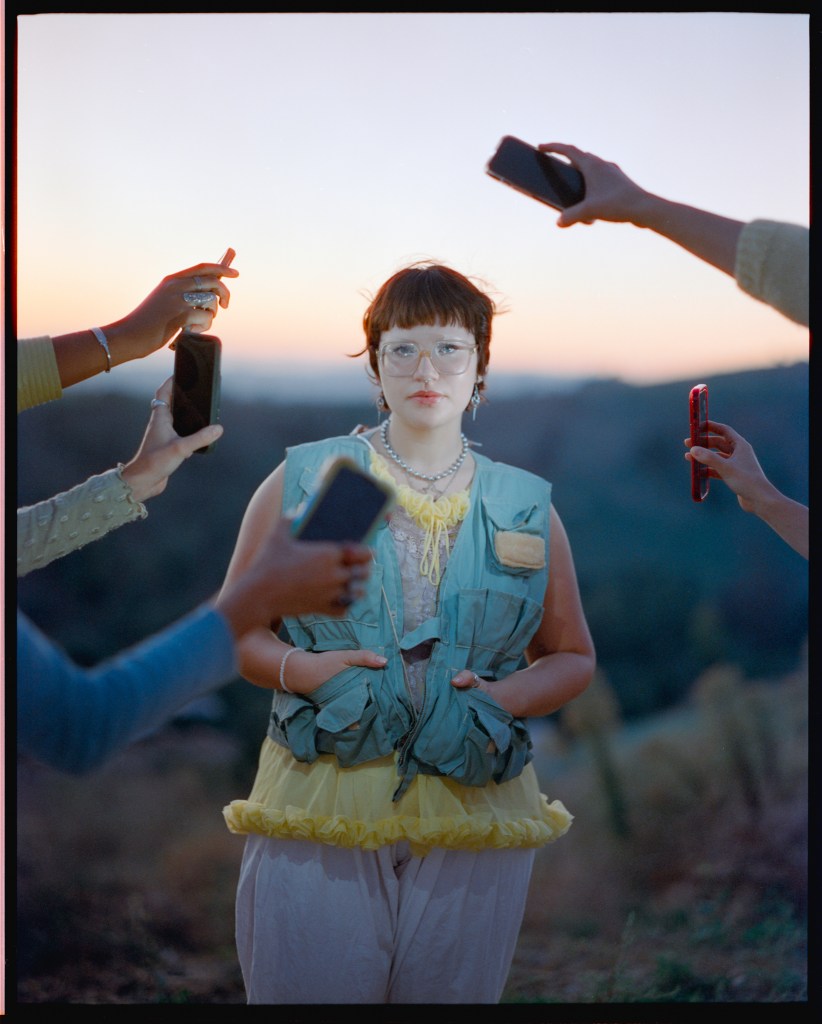
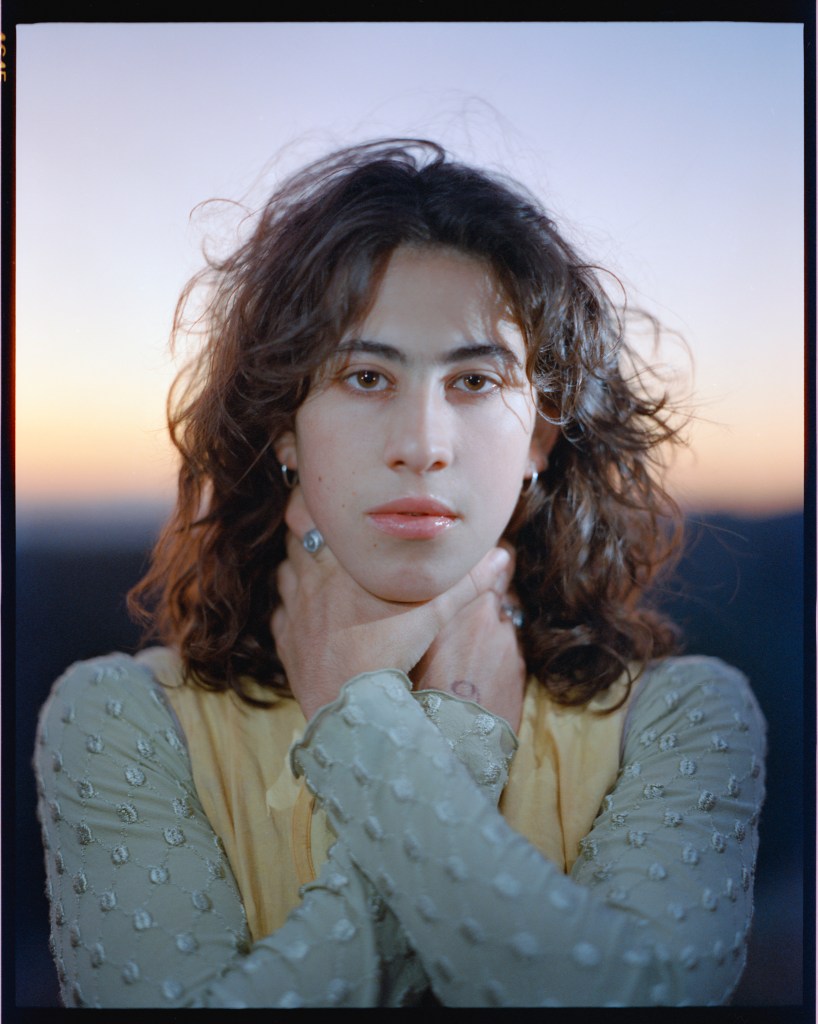
Since one roll only have 10 shots, I felt like I need to shoot one more roll. So I loaded up a roll of Cinestill 800T. We start hitting blue hour, the light looks really nice. And knowing me, I wan’t planning on shooting this late, so I didn’t bring my tripod. So in the end I kinda improvised.
CONCLUSION:
If I put all of these photos together, ignore the ratio and the resolution, in quantity, I like more of the photos shot with the 1V than the 67 actually. Even though the 67 shots look sharper and smoother, the content of the photo to me, still is the most important thing.
So format doesn’t really matter then? What’s the magic of larger format, what I love so much about the 67 that the 35mm can not give me?
My conclusion is, one, it’s the mind set.
Often time, the 35mm has the “I HAPPEN TO captured this” look, and the 67 gives the “I MADE IT look like this” look. It looks more… formal and intentional. Because often the time, the 67 shots are more carefully framed, because it’s 36 shots per roll VS 10 shots per roll… then the question would be, can I shoot 35mm more “formally” and shoot 67 more “freely”…would that cancel out the difference?
And for two, it’s about physics and math.
Which are the two things I’m not very good at… to dissect why medium format photos looks the way it is, I went all the way back to, how dose camera work, how dose light travel through glasses and then through a little hole then hit the film, how dose film work when receiving light and convert it to an image… it’s more complicated than I want it to be…
First at all, we understand depth of field, we understand focal point, we understand physical distance between the background the subject and the camera, that determines the “depth” of an image, then the aperture also determines the “depth… and then there is also something called “permissible circle of confusion”? Then I gotta figure out why is there a thing called “equivalent focal distance” between different format? Then I looked into visual perspective, how dose one image illustrate sense of space… how much of that has anything to do with format…
After all of these over thinking and over analyzing. That’s IT. The sense of space. I often feel like photos shot on medium format has more depth, has more sense of space, some times, it doesn’t always work… but why though, how…
This is me going into the rabbit holes to figure out “did Sam think too much today again”… This video is long enough, I’m not gonna through all the numbers and equations and calculations at you, and I don’t think I’m able to explain all of the numbers and equations…and to be honest I’m not even sure if you need to understand all of that complex optic to take good pictures.
Long story shot, in my opinion, when you feel like the 67 photos has more depth, that’s mostly not the camera’s doing. That means you have separation already between the foreground and the background. Larger format will help a little bit to enhance that separation, because at the same F stop, larger format will give you more separation.
At the same focal distance, for example F2.8 on medium format looks like F1.4 in terms of depth of field, and looks like F0…. On a large format camera… on 35mm, there are not many lens that can achieve the depth that large format can achieve… that’s why larger format has that unique larger format look. The separation, the sense of space… which is something you can also create by increase the physical distance when shooting with 35mm camera… you see where I’m going with this? I feel like I’m loosing you… You still here?
That’s why I feel “meh” about some of my 67 photos I took, it doesn’t have much of the 67 magic I’m looking for, that’s because, the shots themselves are kinda flat… the location is kinda flat, how I positioned the models are kinda flat, I was too worry about keeping everyone in focus, so I closed down the aputure, so they looks kinda flat… plus lighting was kind flat… anyway… what was I talking about in the beginning.
Dose camera matters, dose format matters? Do you have the answer for yourself now? A while after this shoot, I went to another photo walk, seeing people with diffrent cameras, some how has been shooting for a long time, some who just picked up a camera… I think it dose, I still think camera dose matter, on a technical level, by the end of the day, they are tools to create your vision. I think pick the right tools matters. Picking the tools that you enjoy working with, matters.
“However, on the other hand, a bad photo is a bad photo doesn’t matter how great the camera it.“
What a happy and optimistic conclusion in the end of this video. Now go go, go out there to make more bad photos that will help you learn to take good photos. This is Sam, I will see you, next time. Bye.



Leave a Reply