When I was a very young kid just finding myself interested in photography, my dad once asked me, “What is the best camera money can buy?” I said, “哈苏,” which is Chinese for Hasselblad. My dad is Chinese, obviously. At the time, I didn’t even know what a Hasselblad was; I just had this vague idea that if you had this camera, it meant you had made it. And I secretly wished my dad would get me one as a birthday gift or something. It’s been 15 years, and it hasn’t happened yet.
Hey guys, this is Sam. Welcome back to another episode of… HASSELBLAD. Yep, I couldn’t come up with anything better to say. Hasselblad!!
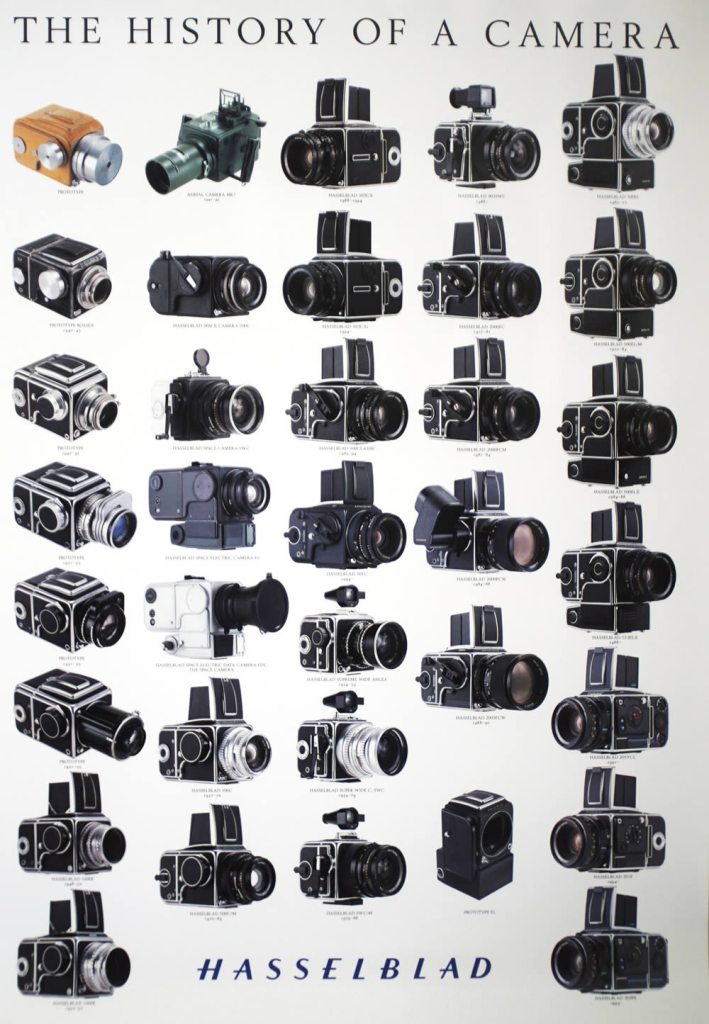
If you have been watching my channel, you know I’m not a gear person. I don’t know a whole lot about the technical side of cameras, and I don’t really care about brands and names of cameras. What comes out of the camera is more important to me than the camera itself.
And here it is, this camera changed me. My very first Hasselblad camera, the 501c. In today’s video, I’m going to talk about my first impression of this camera. From loading to unloading, how to use this camera — you can skip this part with the timestamps if you already know how to use it. I’m going to show you three rolls I shot with this camera, then we will talk about my first impression, what I like and don’t like about this camera.
First of all, unlike the Pentax 645Nii, I did NOT go through all the options and hand-pick this specific model as my first Hasselblad or my first 6×6 format camera. I have a friend who tried to get rid of it. I bought it from them. It just happened.
Hasselblad is known for its build quality. When I first held this camera in my hand, it felt very solid but not overwhelmingly heavy. The 501c is a fully mechanical camera, which means there is no battery, no built-in light meter, no autofocus, no auto-winding — everything is manual. After so many years of shooting with digital cameras, I feel like I’ve come back to the very core of photography. Without a built-in light meter, it almost feels like I’m taking photos blindly.
ABOUT THE CAMERA
The design of this camera is very unique. First of all, the body is a cube. There is no handle or grip you can hold onto. Then, it has a waist-level viewfinder. You no longer hold it up to your eyes; instead, you look down to frame the shot. If you’ve never used a waist-level viewfinder, this will give you a headache to get used to because everything you see in the viewfinder is horizontally reversed.
This can be really frustrating at the beginning. I struggled a lot to frame a shot; my tiny brain had a hard time reverse-engineering what I see in the viewfinder. It definitely takes some time to get used to it.
The camera body is very modular. You can take it all apart and change to a different focus screen, different viewfinder, different backs.
To start shooting with this camera, first of all, load the film. Since I have been using the Pentax 645, you know how to load one medium format camera, you know how to load another; there isn’t much difference.
Turn the film holder key clockwise to pull the holder out, put the film roll on the starting side, gently pull the film paper out. Remember, the black side is facing out. Stick the end of the paper in the take-up spool, and turn the take-up spool to align the arrow on the paper with the triangle symbol on the film holder. Then push the film folder back to the magazine, turn the key counterclockwise to lock up the film holder, then you are ready to wind the film.
Since this is a fully mechanical camera, you have to manually wind the film to the starting point. Fold out the film winding crank, keep rotating it until it stops, then fold the crank back in.
On the side of the camera, you will see a number one shows up in the counter window; then you know your film is properly loaded, and the camera is ready to go.
On the top of your camera is your viewfinder. Lift the hood, and you will see your frame. In my 501c, there is a magnified glass you can fold out to help you with focus.
Another thing you need to remember and get used to is the magazine slide. Between your film and the camera body, there is a metal slide that stops the film from getting exposed, so you can take the whole magazine out and change to another magazine with a different film in it. The camera would not release the shutter if the slide is still inserted. I can’t tell you how many times I did that. So before you fire the shot, remember to pull out the metal slide and do not lose it. Otherwise, you can’t detach the magazine.
Both your shutter speed and aperture ring are on the lens. From here, you either start learning the Sunny 16 rules or use a light meter. Every camera I’ve used so far all have a built-in light meter. Luckily I still have a Sekonic light meter that can finally get put to work. If you don’t have one, don’t worry; you can download a light meter app on your phone. The one I used is called… it’s fairly accurate so far.
Metering is a whole other thing; we’re not going to get into the details of how to use a light meter in the video. Maybe down the road, we will make another video to discuss it.
You set your shutter speed and your aperture, make sure your slide is out, then you can press down on the shutter button that’s located at the front of the camera.
Listen to this… I just love how the shutter sounds with this camera. It sounds… important. You know what I mean; it sounds like you just took a shot that matters!! (I know it’s all in my mind, but… you know what I mean?)
After each shot, you need to wind the film to advance it; the number in this window will change, indicating how many shots you have taken. The film back I have with this camera is an A12 magazine; it gives you 12 6×6 shots. There is also an A16 back which shoots 645 format, and it will give you 16 shots.
After you finish the roll, you just wind the film back and take it out of the holder. Then you’re done.
SHOOT WITH THE CAMERA
6×6 is a unique format; as a portrait photographer, I love it. It’s simple and straightforward. It can be challenging to make outstanding and “smart-looking” compositions, but I find the square format just naturally balanced.
After the test roll to check if the camera works properly, I then took this camera to Santa Monica Pier and met up with another internet friend who also owns a 500 series and had never been to Santa Monica Pier. We walked around Santa Monica Pier and took some pictures, and Jerry also let me play with his more advanced light meter.

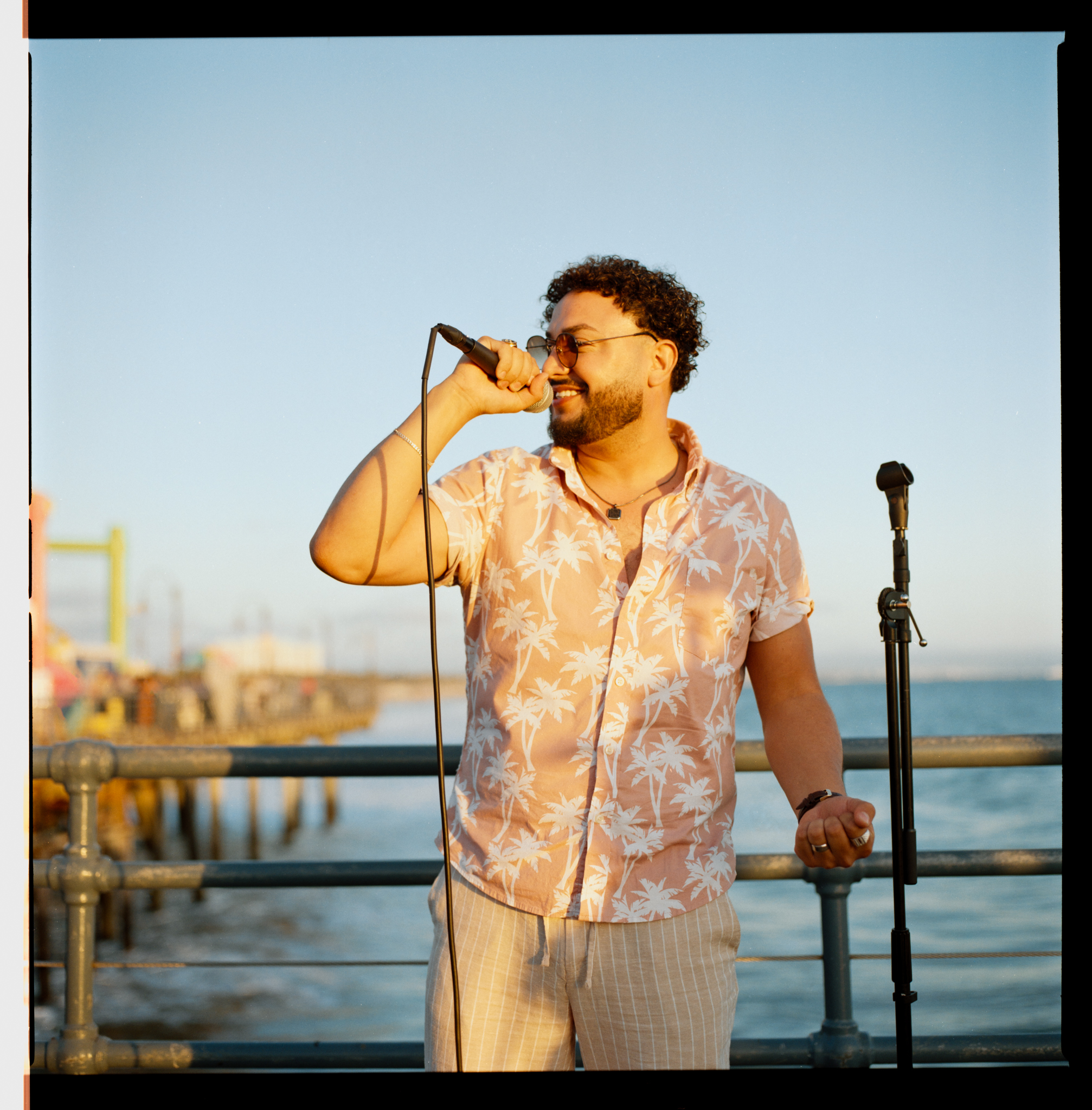

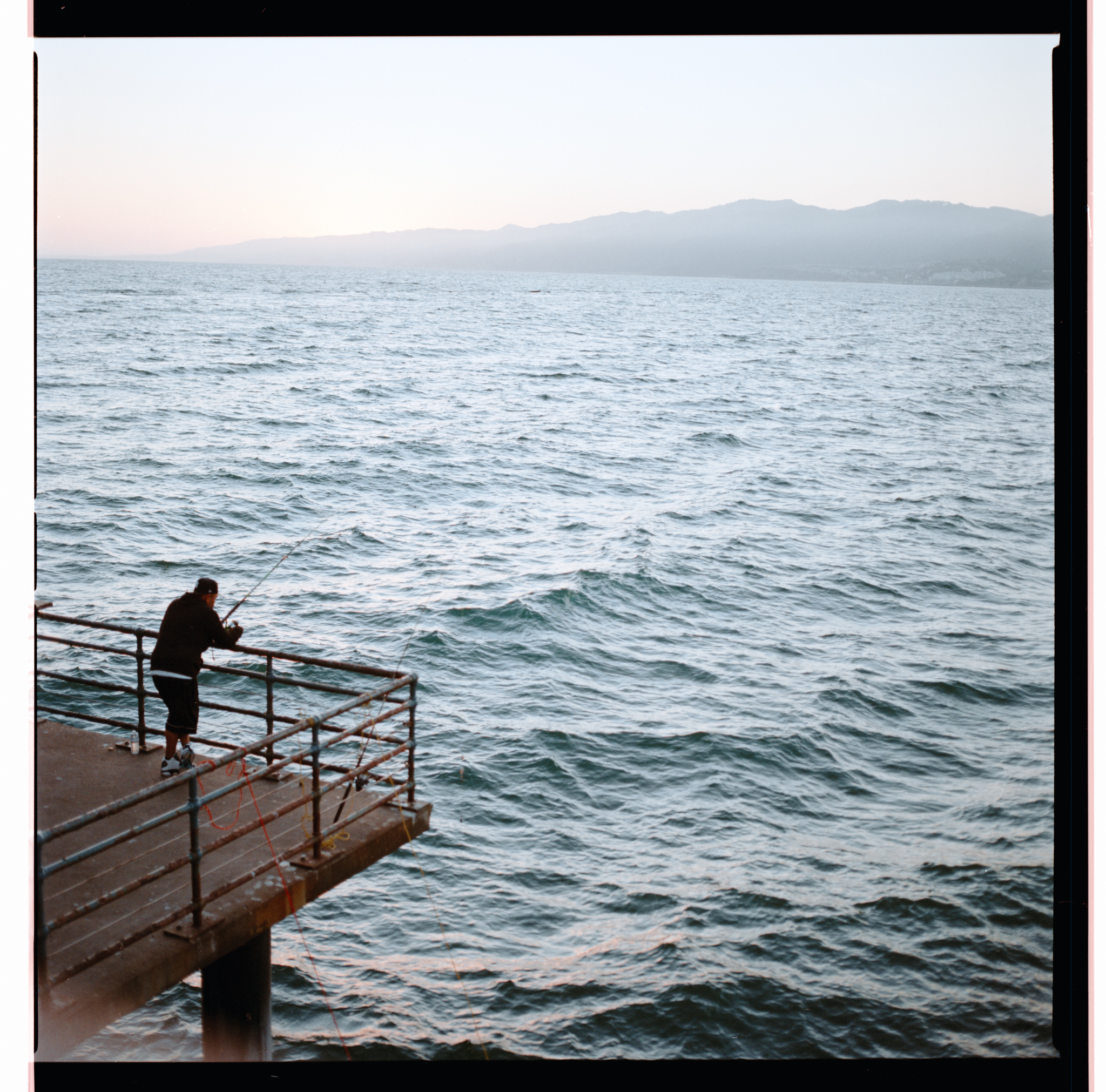



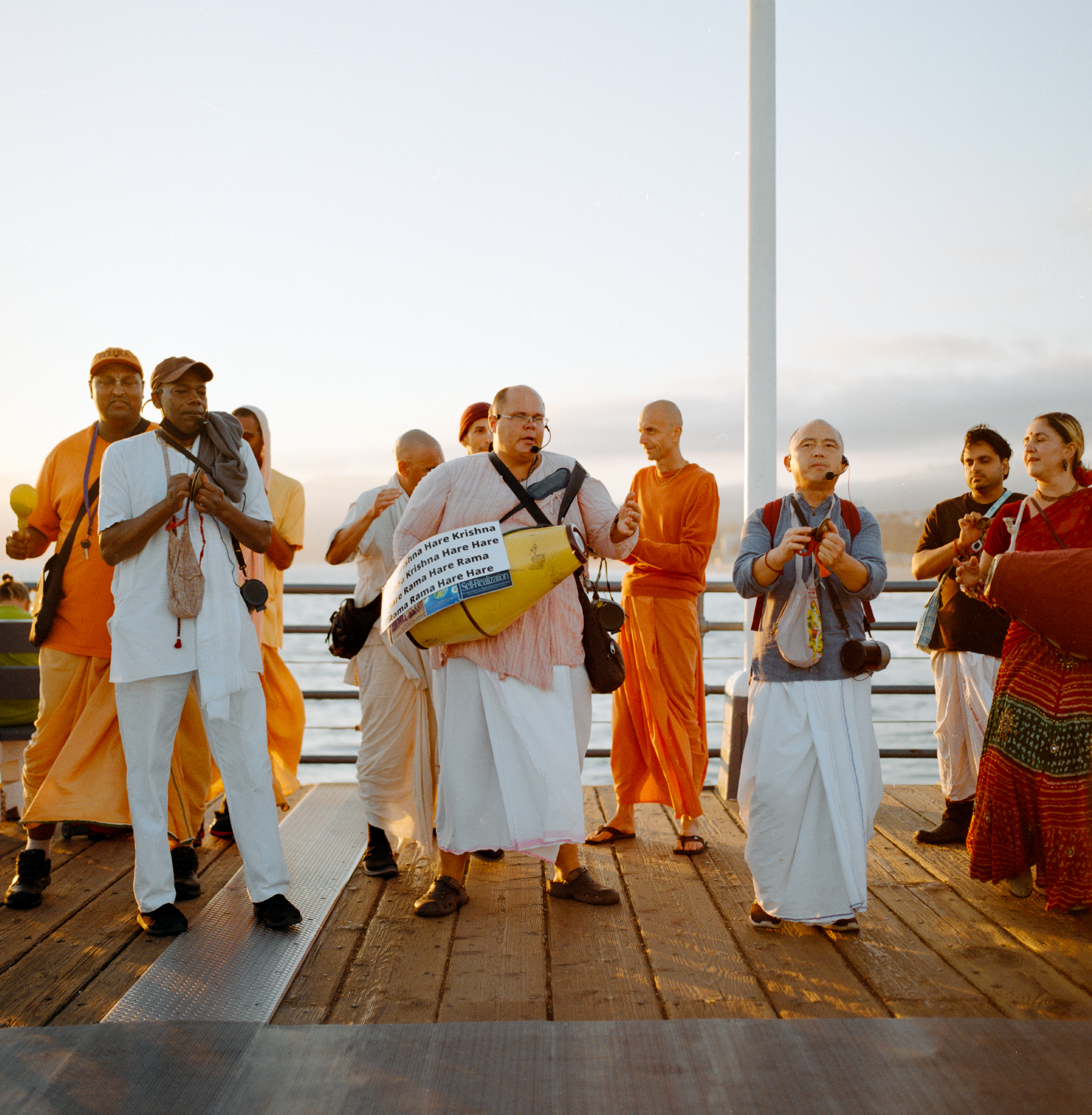
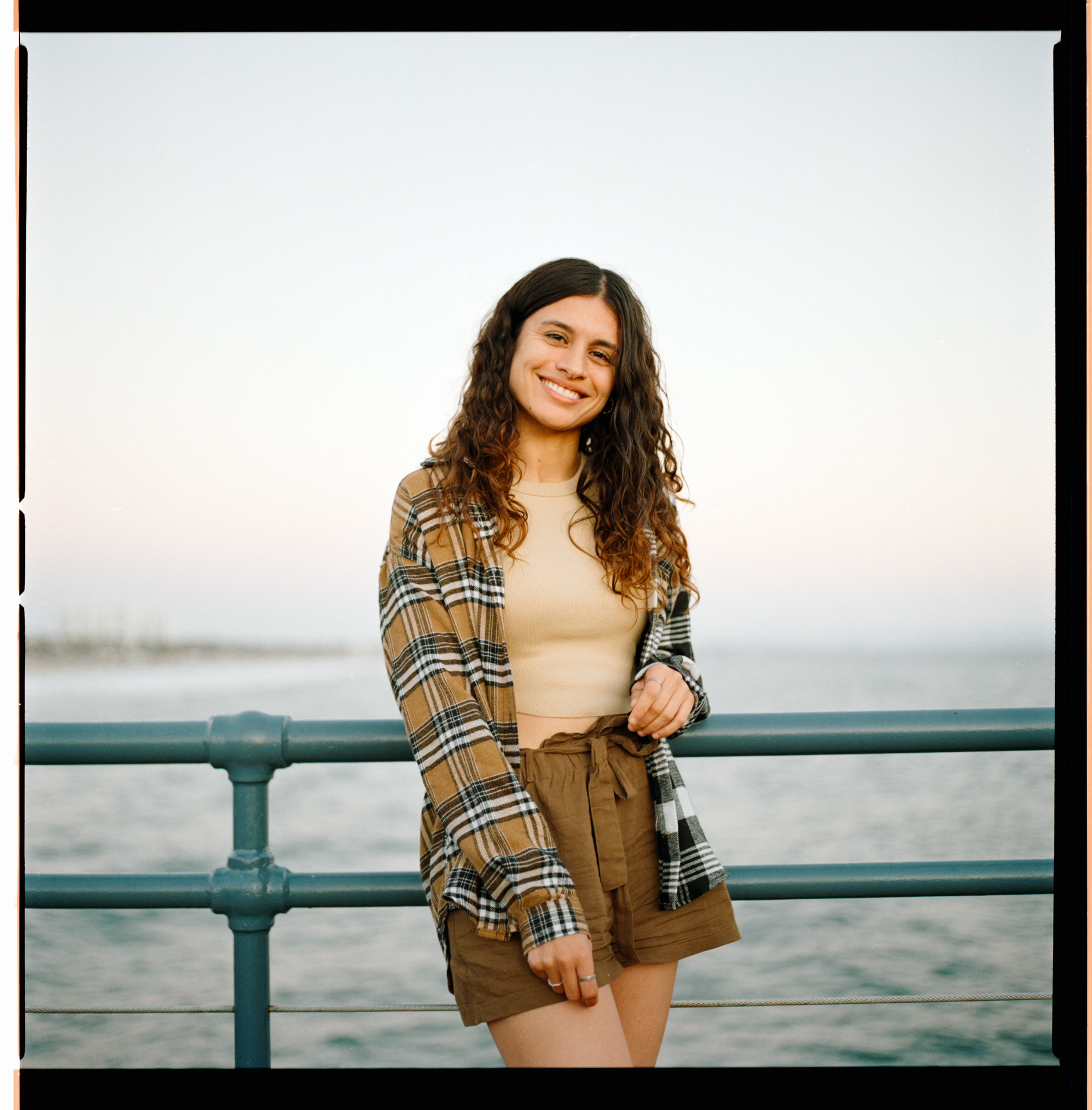
I was shooting on Kodak Gold 200. The first shot I took was at aperture 2.8, and you can see only one of them is fully in focus. The depth of field is much shallower compared to a 2.8 on a 35mm.
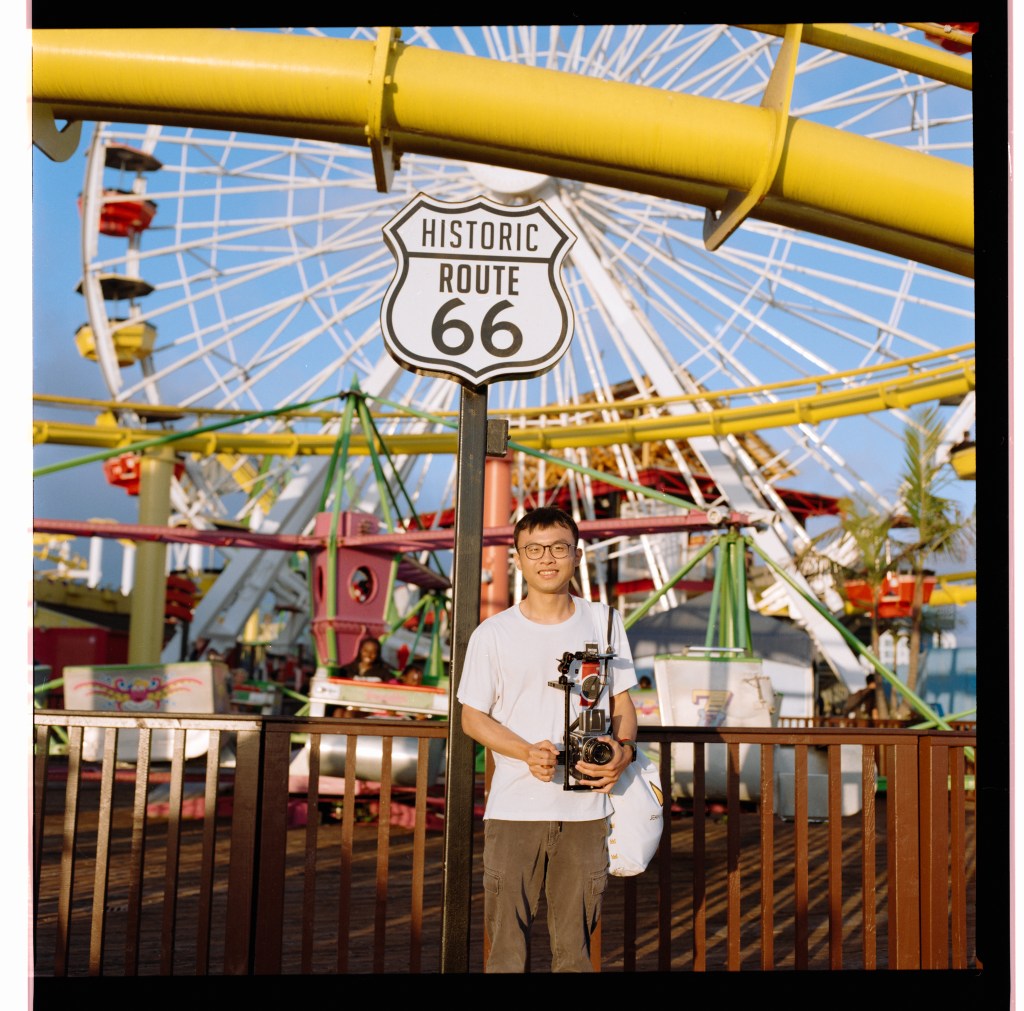
And here is Jerry, holding his Hasselblad 503cw with a crazy homemade rig that you can mount your phone on top of the viewfinder to film first-person perspective. It’s pretty cool.
It was so crowded that day at Santa Monica Pier. Using a fully mechanical camera with a waist-level reverse viewfinder and an external light meter, everything added up to make this a very slow camera.
Remember, I used to say shooting film will slow you down; using this camera will slow you down even more. You see the shot, you meter the light, you frame, you double-check focus, you forget to pull the slide out, now you need to refocus, then you press the shutter, then you wind the film… there are so many more steps you need to take for each shot!!
But for how slow it is, for how frustrating it is, I just love it!! I was surprised that I would love it. Before I met this camera, cameras to me were tools; a good tool should be user-friendly, convenient, fast, easy to operate. And this camera seems like it’s everything opposite. But I LOVE it. Can somebody tell me why??
After shooting the first roll, I feel like this camera is not easy when capturing movement, especially when there is a lot going on. But I absolutely love it when taking posed portraits. When I take the time to properly frame up the shot, metering the light, and nailing the focus, when I take time slowing down the process, I love it. I can’t tell specifically what I like about these photos. Is it the golden hour sunlight? Is it the 80mm 2.8 Zeiss lens? Is it the Hasselblad camera body? Maybe it’s everything adding up together that makes me not only like how the photos turned out but also really enjoy the shooting experience.


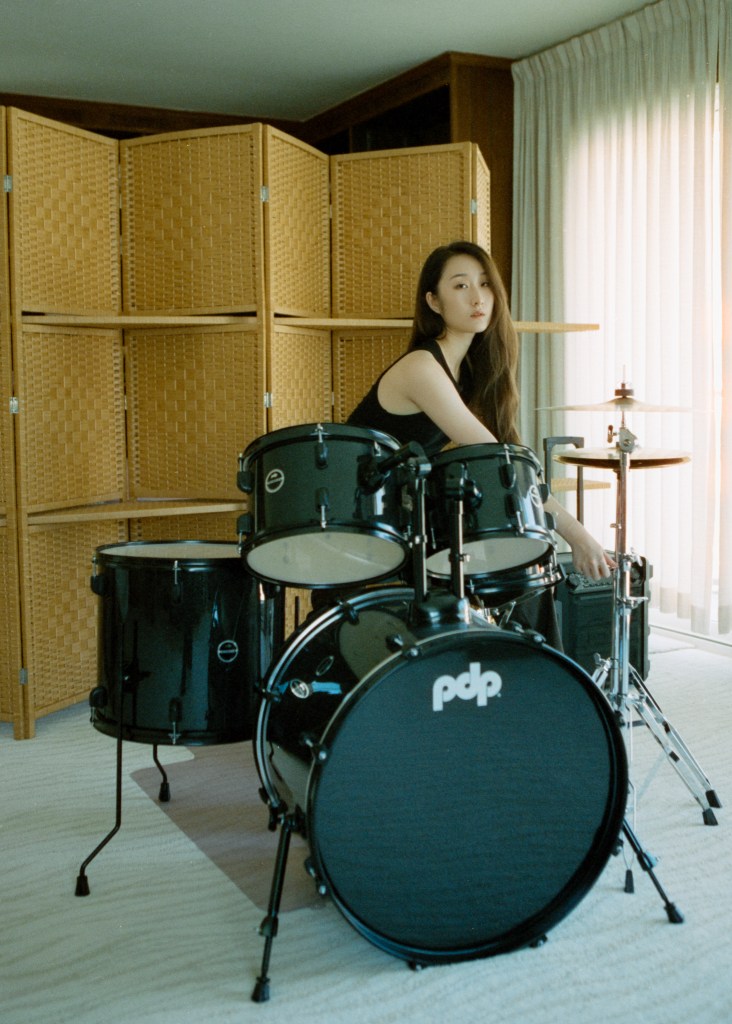



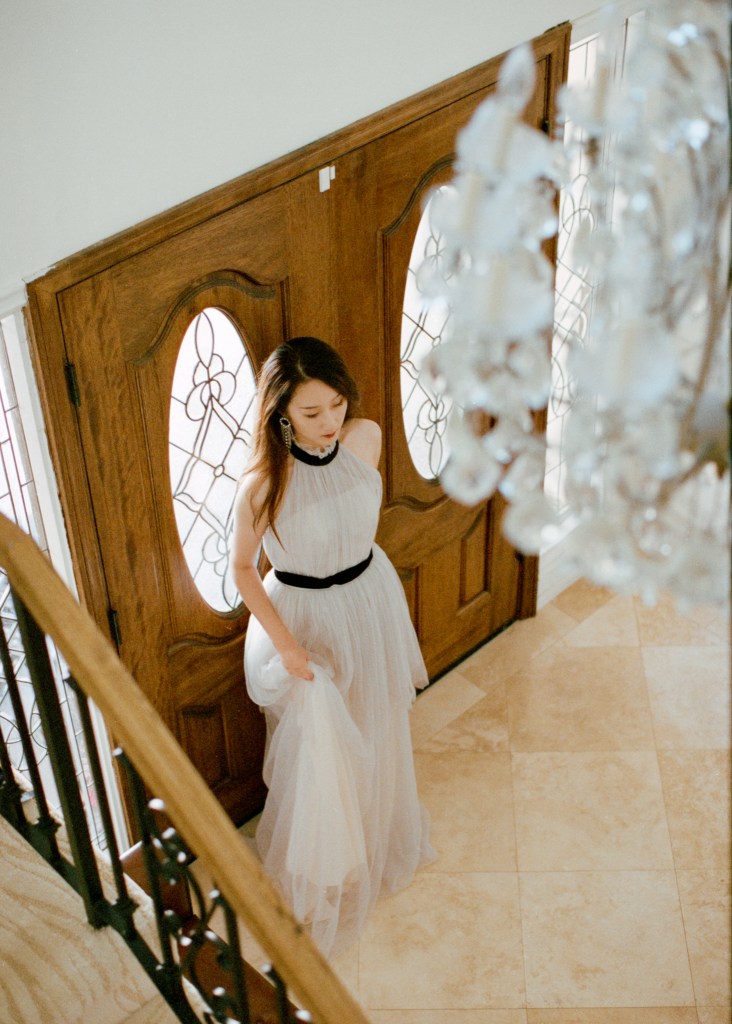

(Shot on Canon 1V)
To search for the answer, I did another portrait photoshoot. This is Yanke; she is a girl with many skills. She’s a dancer, drummer, she likes to travel, she’s interested in media and the creative field. This is our first time meeting each other; she’s kind enough to let me photograph her in her home.
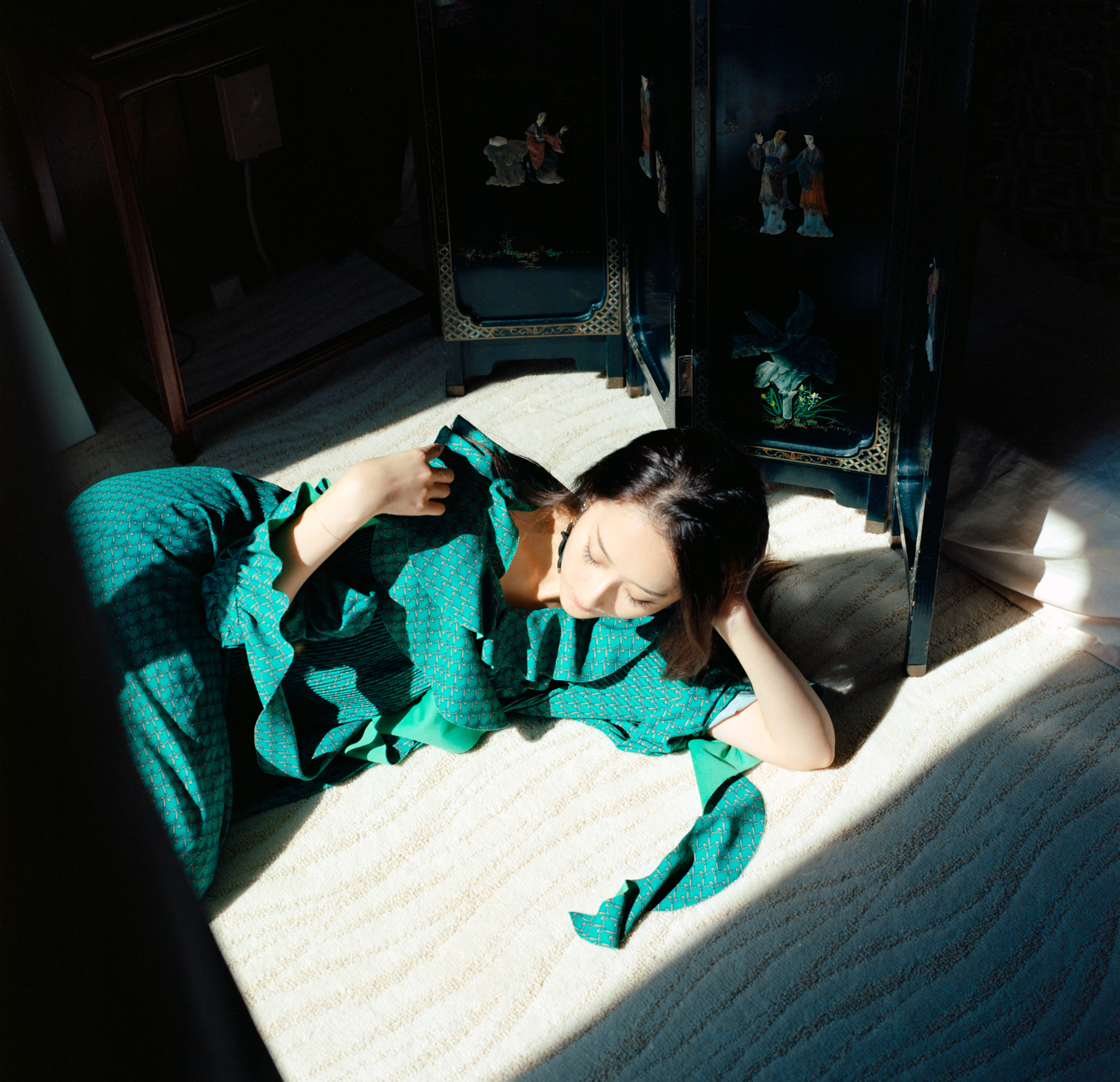

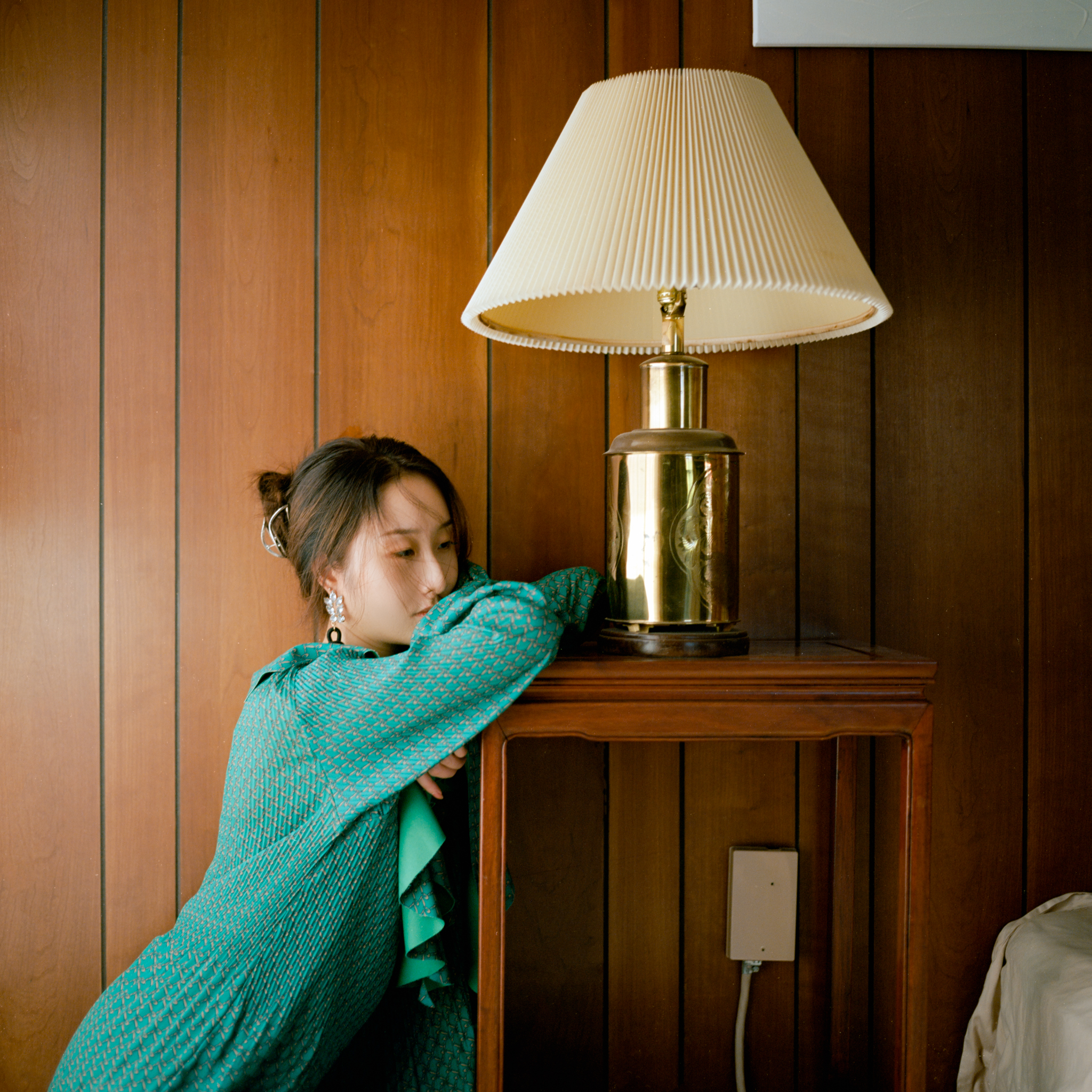

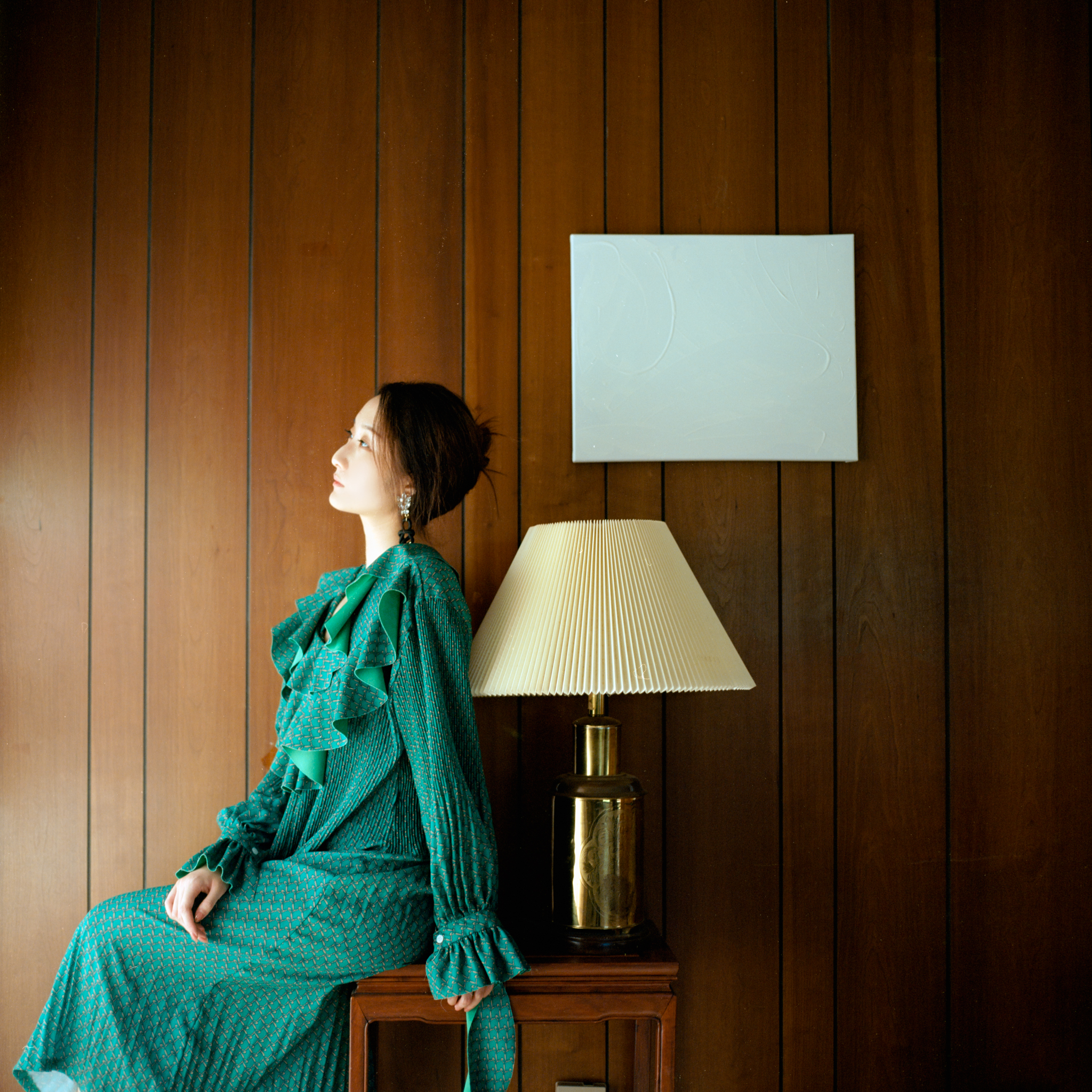
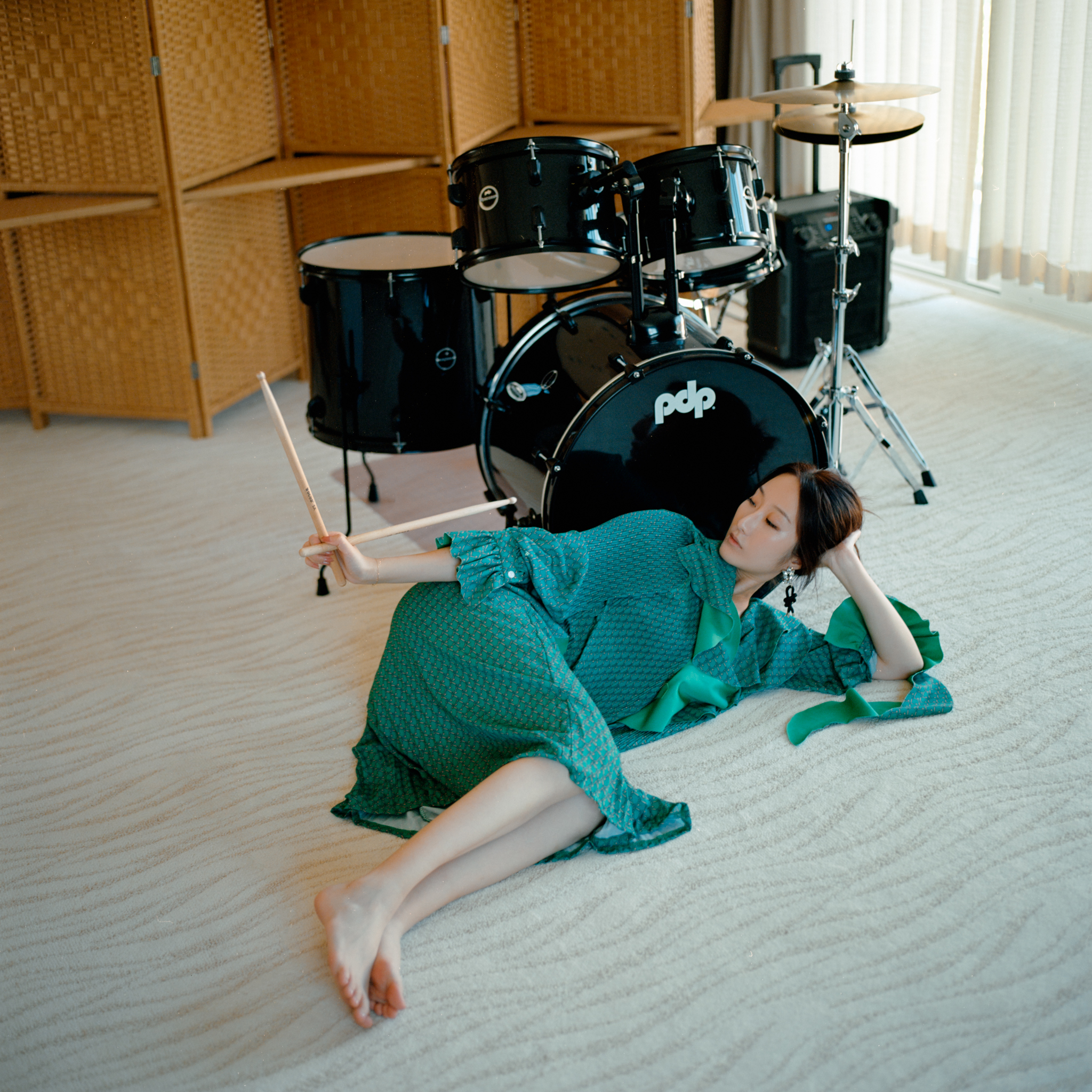
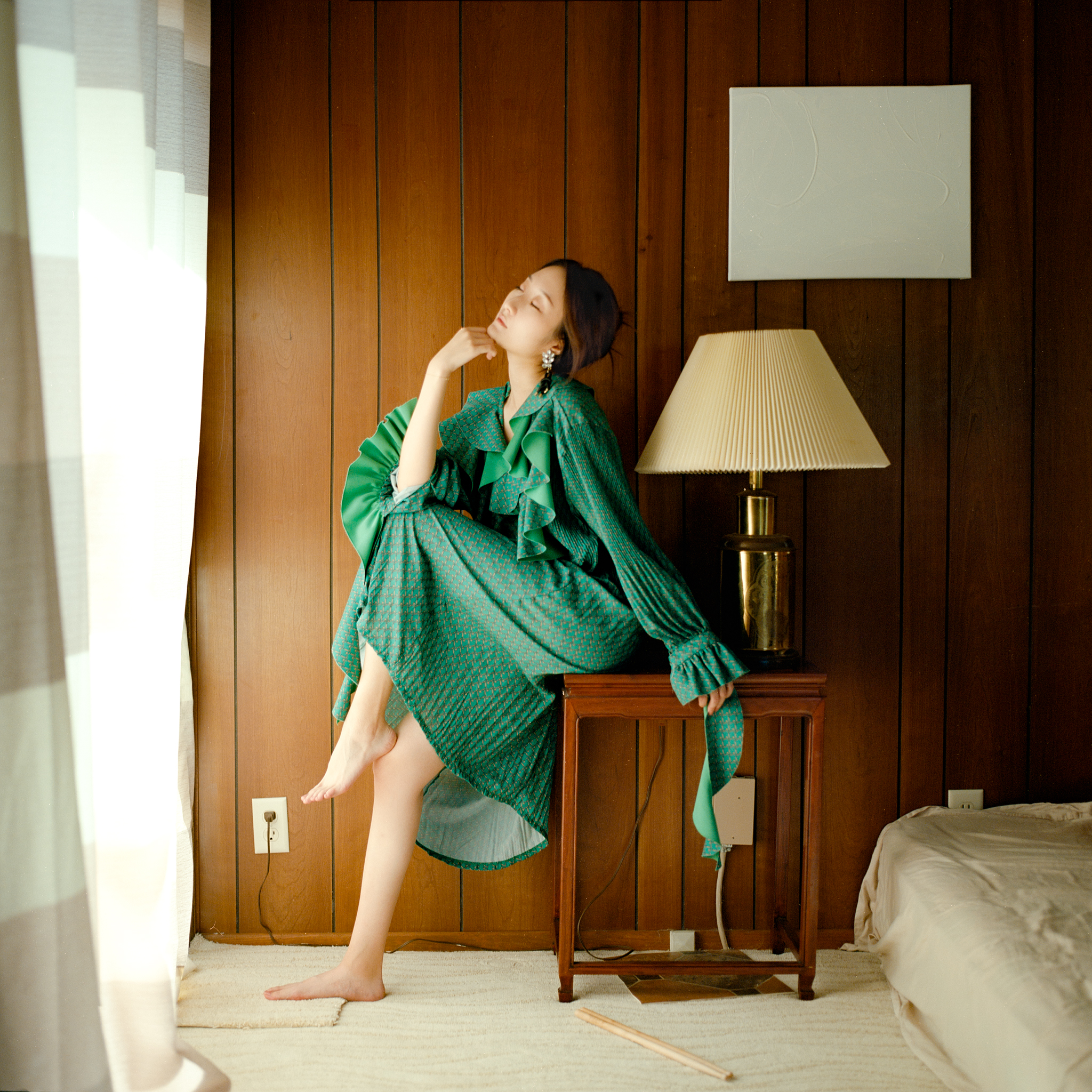
The first roll is Ektar 100. This is my first time shooting Ektar 100 in 120. Since we are shooting indoors, 100 speed may not be ideal with natural light. But I like the color and how fine the grain looks.
I enjoy working with the square format. What’s tricky about it is the waist-level viewfinder. I soon realized how many limitations I have by only looking down to frame; it makes me have to work harder to find a right angle and composition.

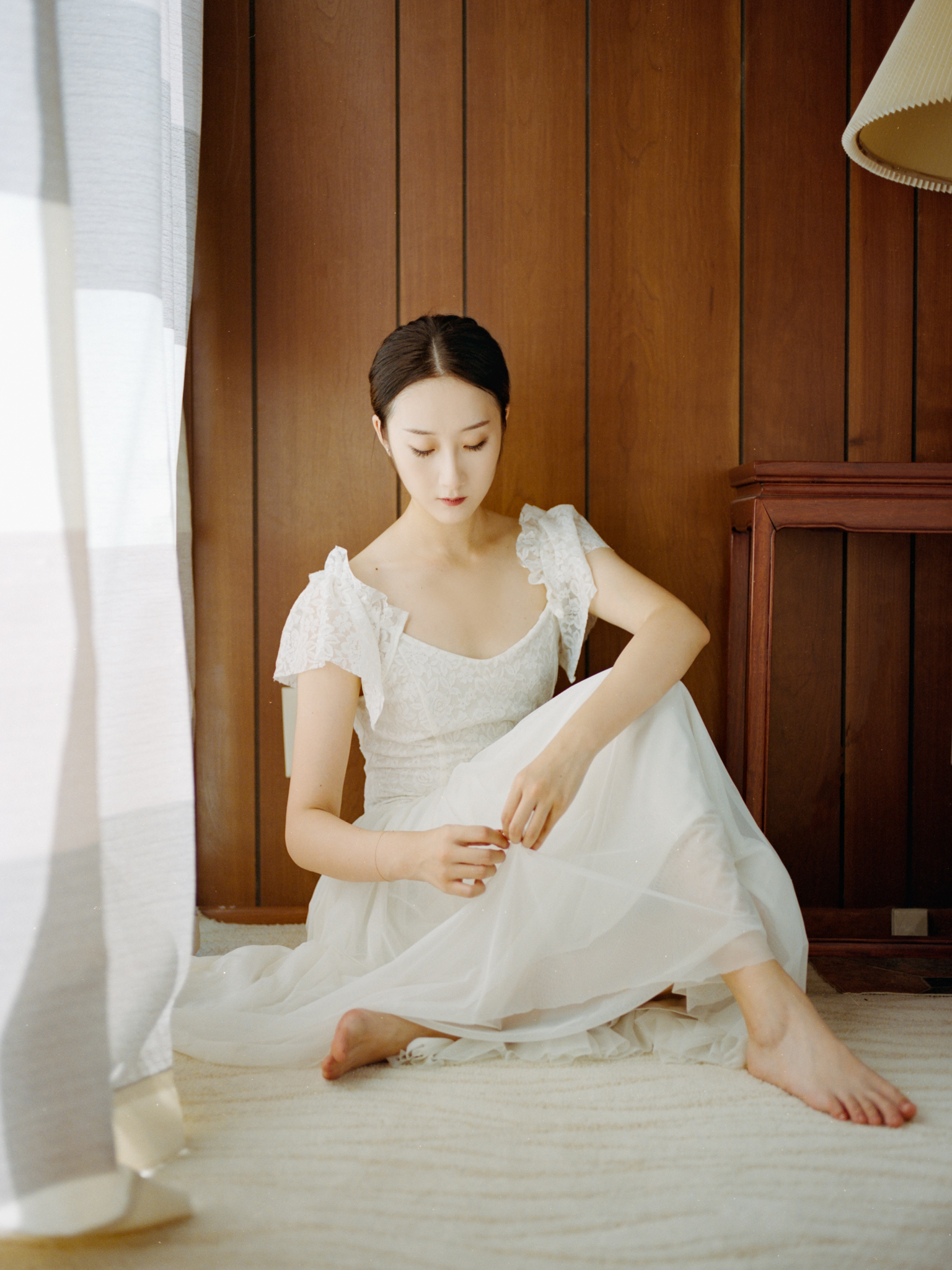


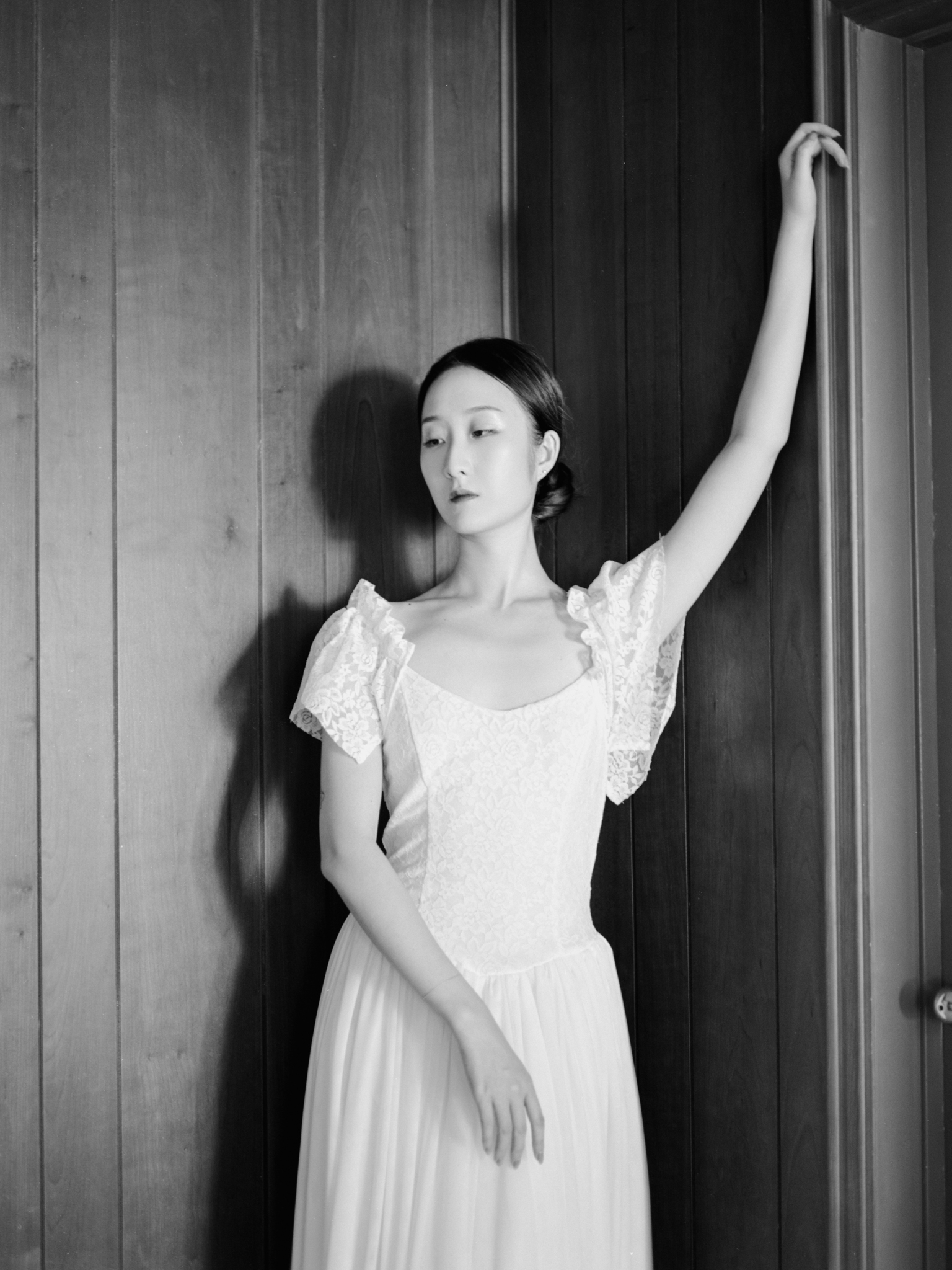
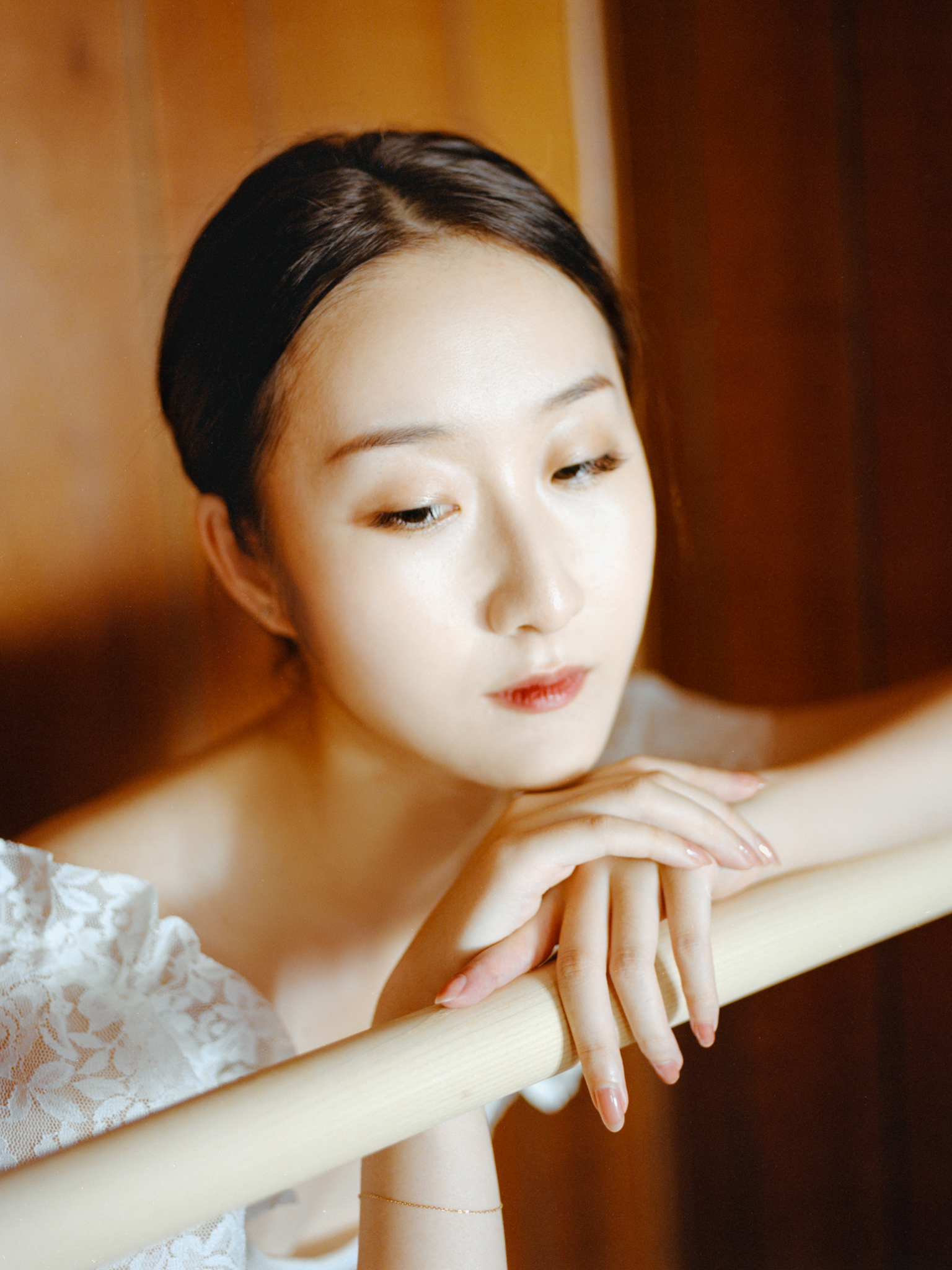
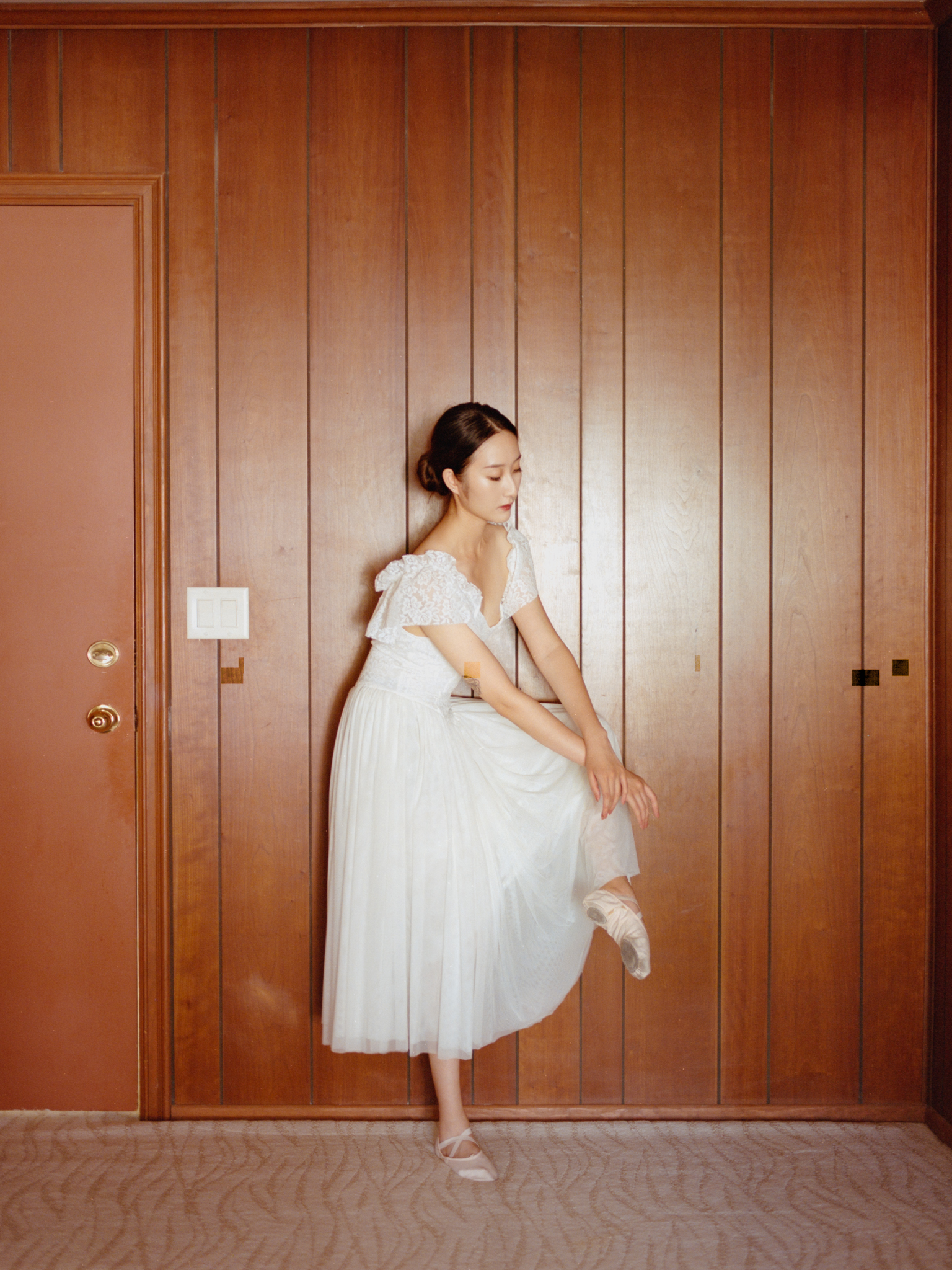

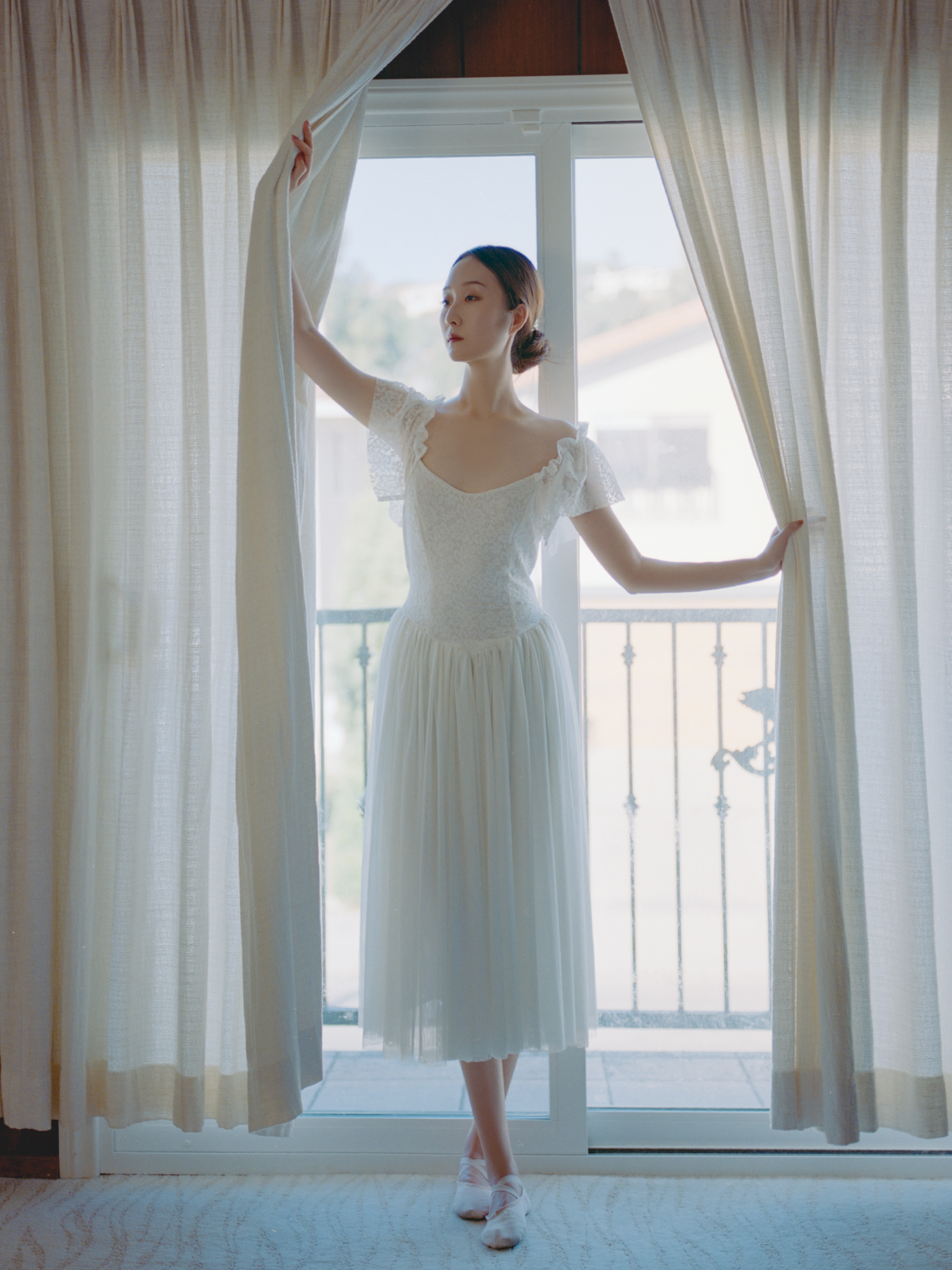
I also brought my Pentax 645Nii to shoot at the same time. It’s apples to oranges, I know, but I can shoot much more efficiently with the Pentax for sure. That makes my Pentax more of a working camera, and the Hasselblad more of a… create some art camera??
After shooting indoors, we decided to go to a nearby park to shoot a little more outdoors, but the park we were planning on going to was closed. As we were almost about to give up, we found a tiny little parking lot with a closed-off road area; we were just about to hit blue hour. The view was really nice; we ended up shooting another roll of Cinestill 800t.


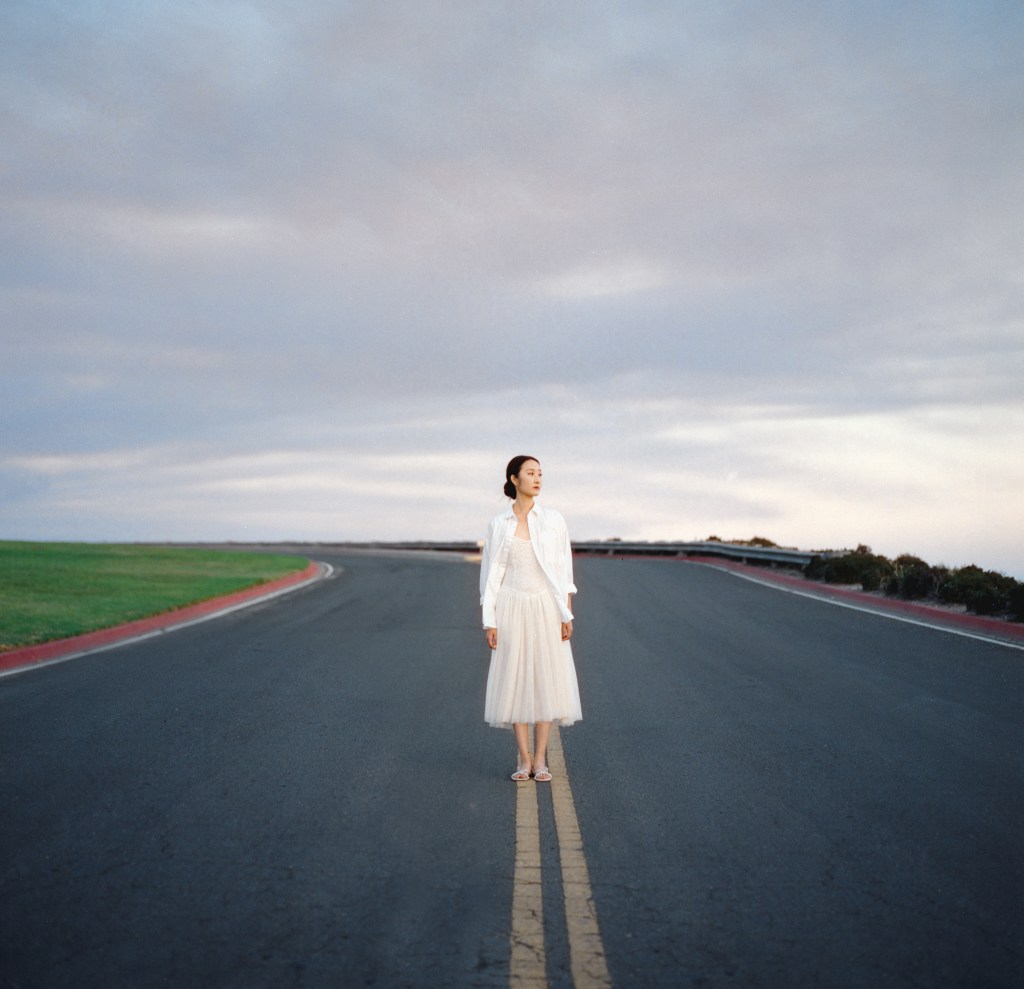
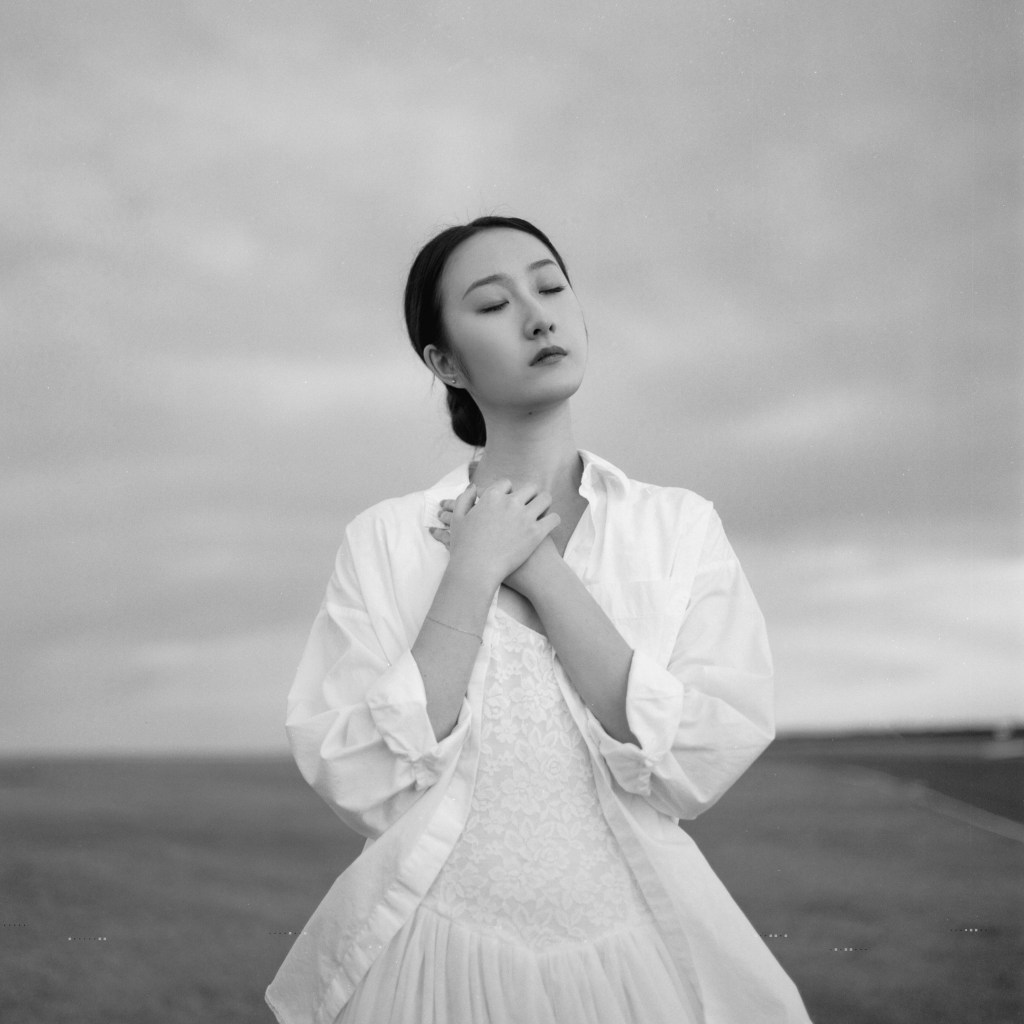

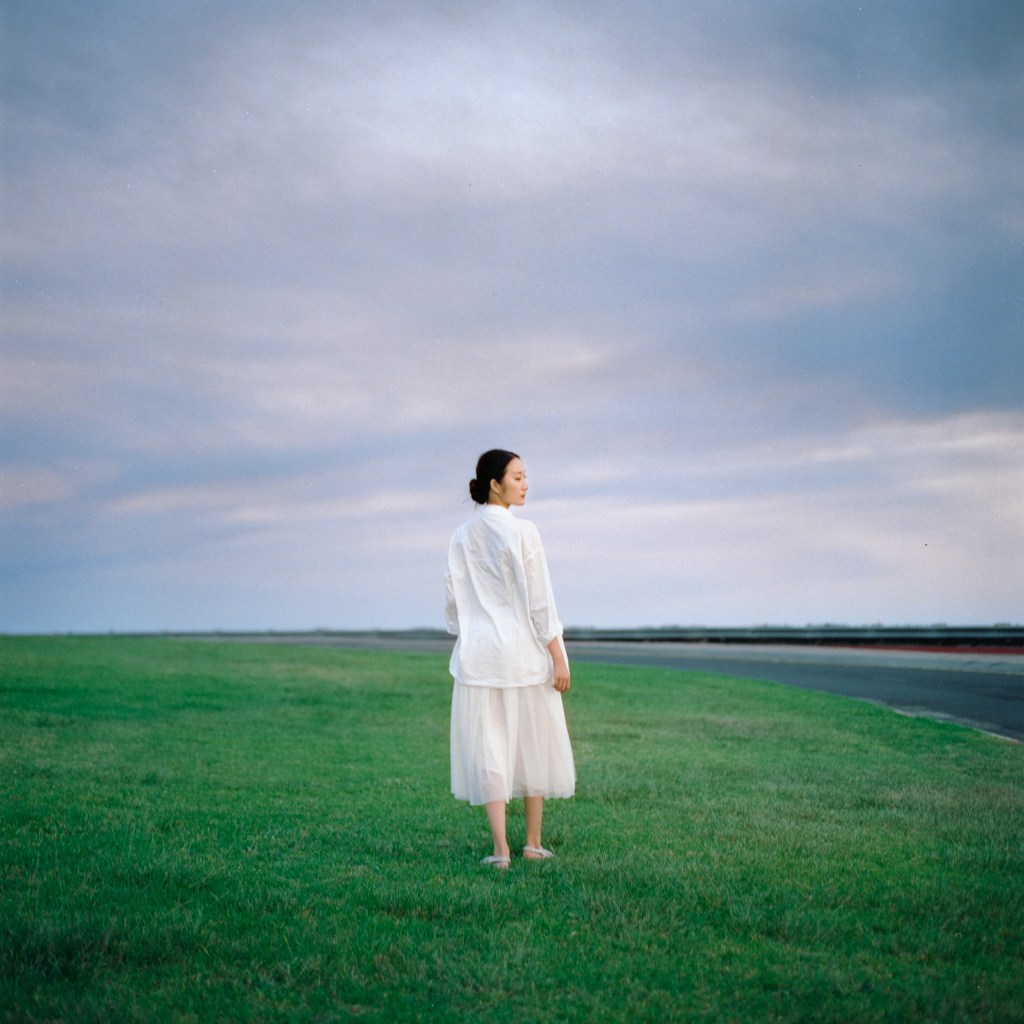

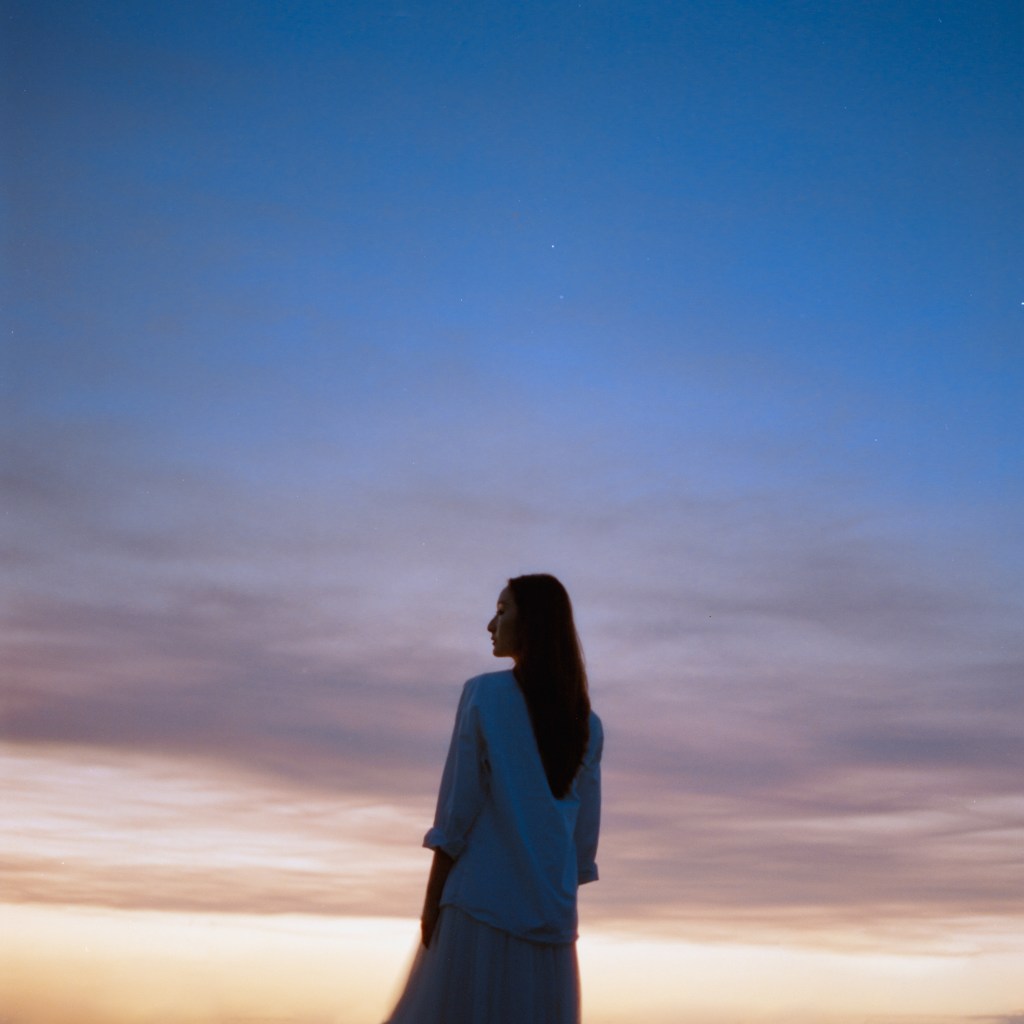
At blue hour, 800 speed is still not very good for handheld shots. By the time I realized that, it was too late to run back to the car to grab a tripod, since we already lost so much time going to the park. A few shots came out blurry; this was also my first time shooting with Cinestill 800t in 120, in low light and low shutter speed handheld situations, and with the halation, a few of them look a bit muddy in my opinion.
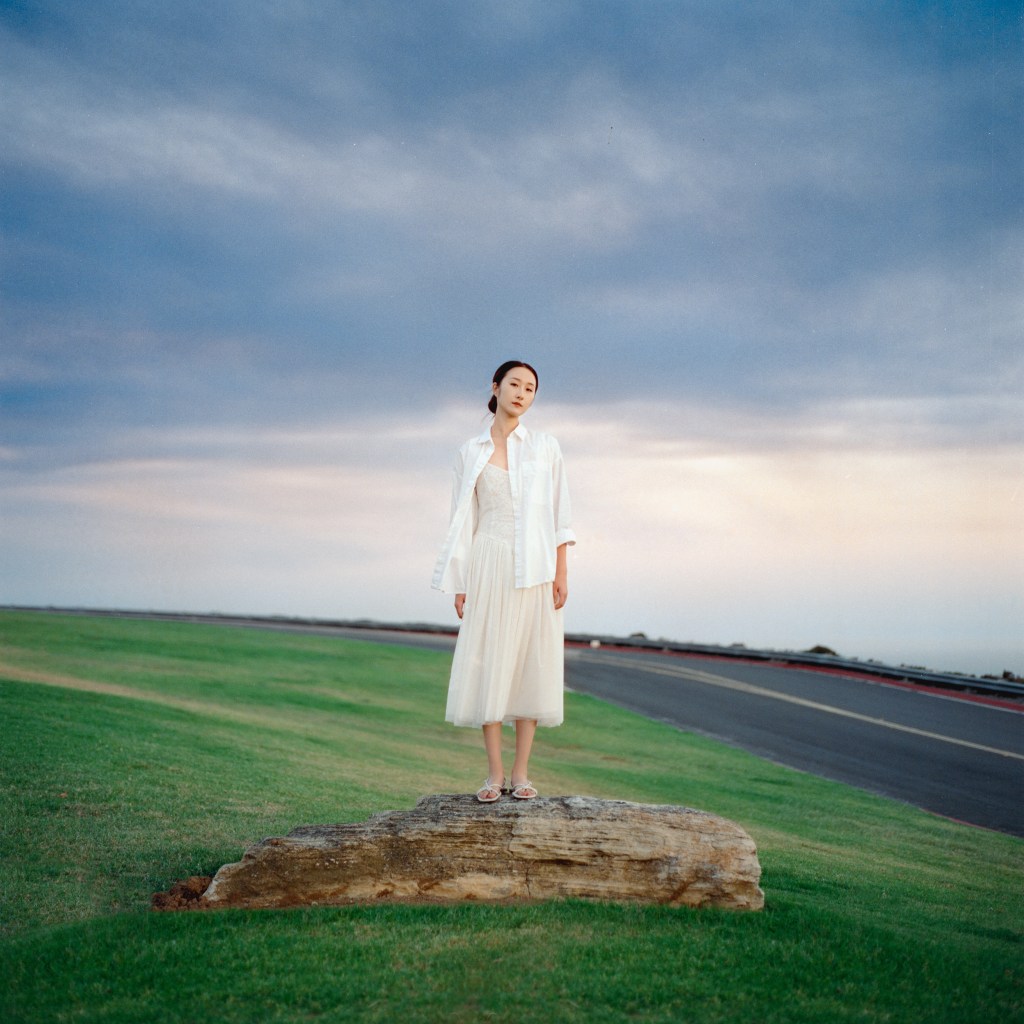
And this shot is one of my recent favorites; I’m glad we didn’t give up after the park.
I have used quite a few cameras between digital and film, but so far, this camera is oddly the only one that makes me want to just go out to shoot photos with it, like not only go out to take pictures but go out to use this camera. What kind of magic or curse is that!
I’ve only shot 4 rolls in total with this camera so far; my only issue with this camera is the waist-level viewfinder, but it’s also part of the character though. I will work with it a little longer before deciding if I want to purchase an additional prism.
Alright, this is it for this week’s video; hope you enjoyed it. If you found this video useful, please click the like button and consider subscribing to the channel for more Sam does photography stuff. I will see you next time. Bye~





 Captured by Sam
Leave a comment